Category: Mesopotamia
-
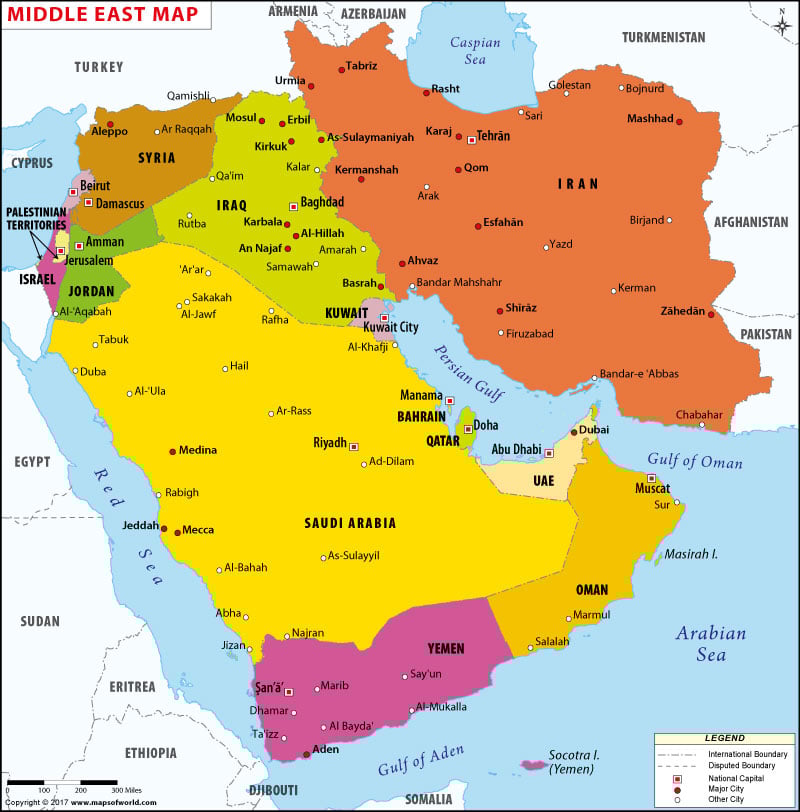
The Middle East: Geopolitical Tensions, Domestic Struggles, and the Quest for Stability Introduction The Middle East, a region with deep historical roots and immense strategic significance, is at the heart of many of the world’s most enduring conflicts. From the legacy of the Arab Spring to ongoing wars in Syria and Yemen, and tensions between…
-
Turkey and Syria: A Complex Relationship Shaped by Conflict, Migration, and Regional Power Struggles Introduction The relationship between Turkey and Syria is defined by a complex mix of history, strategic rivalry, and the dramatic consequences of Syria’s decade-long civil war. From border disputes and the Kurdish question to migration crises and the battle for influence…
-
Kuwait: From Desert Oasis to Economic Powerhouse Introduction Kuwait, a small but strategically significant Gulf nation, is a testament to the transformative power of oil wealth. Nestled between Iraq and Saudi Arabia along the Persian Gulf, Kuwait has a unique history marked by colonial influence, a dramatic invasion by Iraq, and a remarkable economic resurgence.…
-
Kurdistan: A Stateless Nation’s Quest for Identity and Autonomy Introduction Scattered across four nations but united by a deep sense of identity, the Kurds are one of the largest stateless ethnic groups in the world. With a population estimated at 30 million, they inhabit a region known as Kurdistan, stretching across Turkey, Iraq, Iran, and…
-
Balochistan: Struggle, Resources, and Regional Power Play Introduction Balochistan, a region that stretches across Pakistan, Iran, and Afghanistan, is both geopolitically strategic and resource-rich. Known for its vast deserts, rugged mountains, and sparse population, Balochistan is home to the Baloch people, an ethnically distinct group with a long history of struggle for autonomy. While the…
-
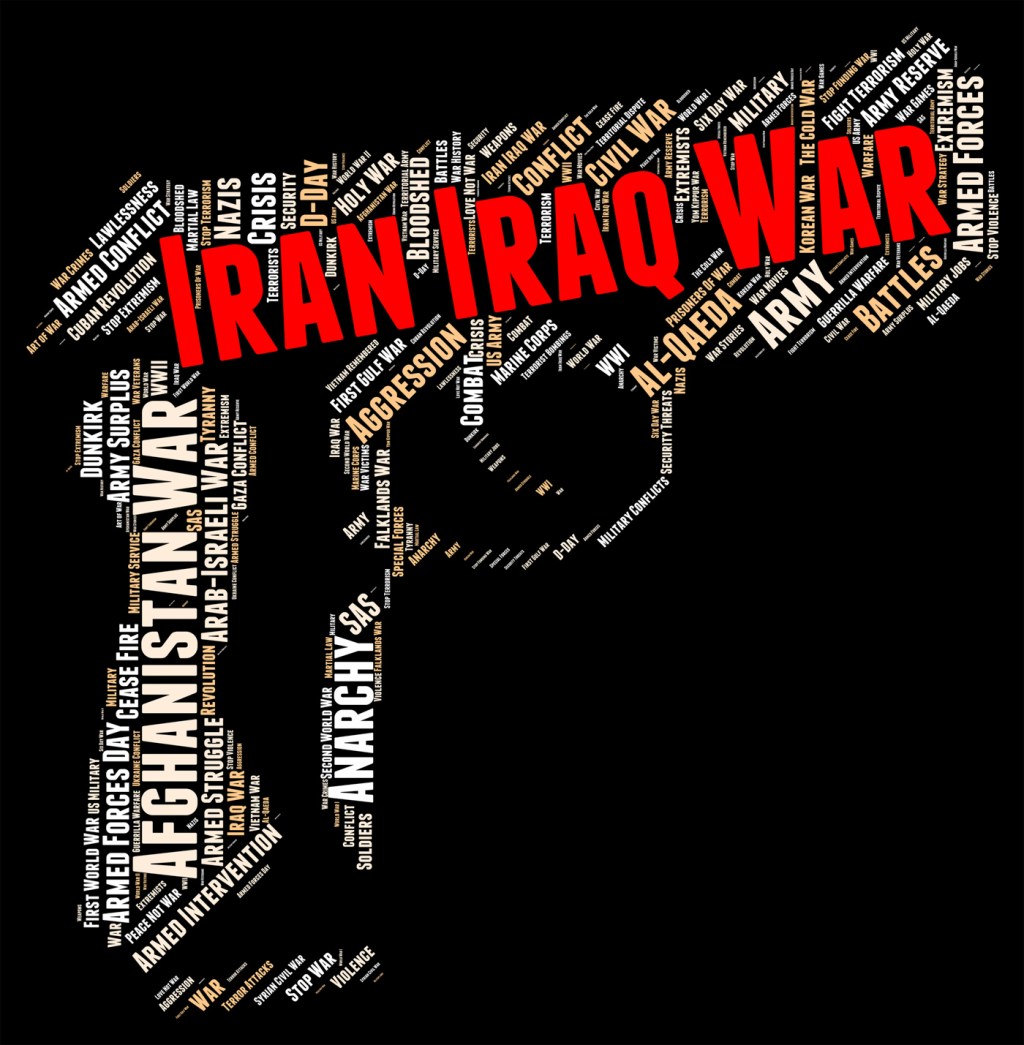
The Iraq-Iran Rivalry: War, Survival, and the Shaping of the Modern Middle East Introduction Few rivalries in the Middle East have been as fierce, destructive, and transformative as that between Iraq and Iran. For centuries, these neighbors have been bound by geography and history yet divided by ethnic, religious, and political differences. At the heart…
-
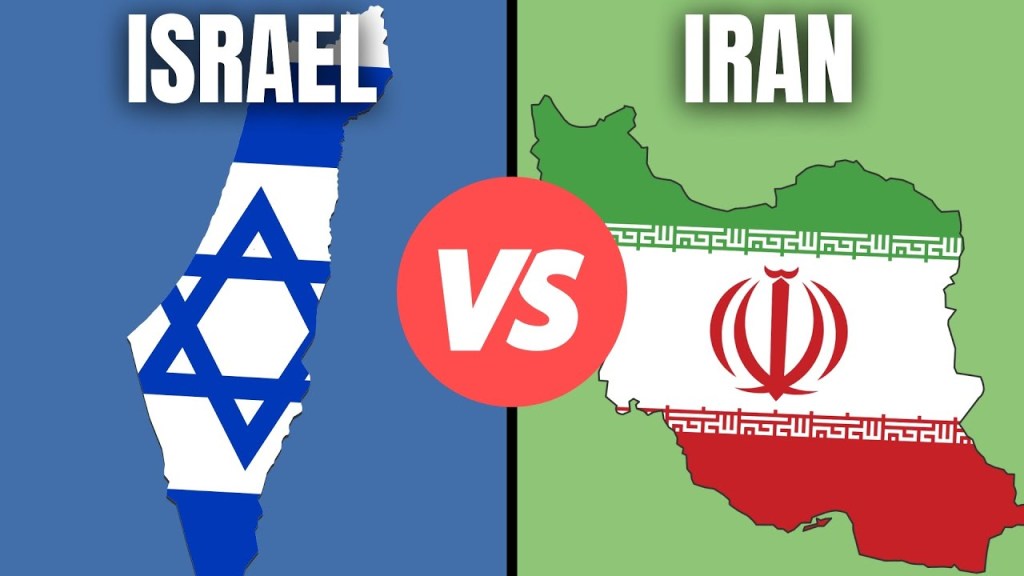
The Israel-Iran Conflict: A Geopolitical Struggle from 1979 to Present The Israel-Iran conflict is one of the most complex and consequential geopolitical rivalries in the modern Middle East, encompassing ideology, regional influence, and strategic interests. Emerging from a cooperative relationship before 1979, the two nations became bitter adversaries after Iran’s Islamic Revolution. This rivalry has…
-
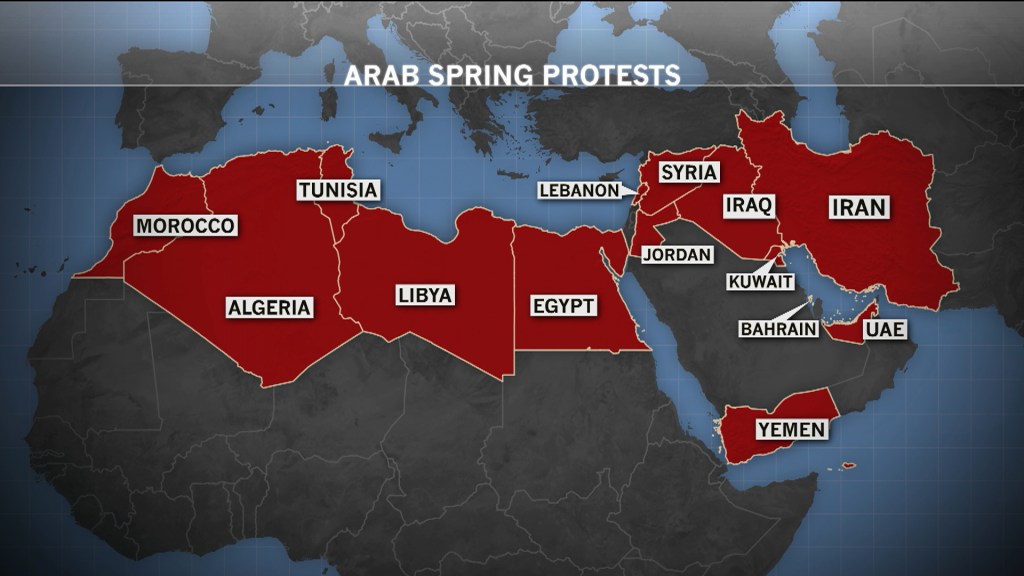
The Arab Spring: A Season of Uprising, Hope, and Unfinished Revolutions Introduction The Arab Spring was a defining moment in modern Middle Eastern history, a surge of people power that swept across the Arab world, demanding change from oppressive regimes. Beginning in late 2010 and peaking through 2011, a wave of protests erupted across North…
-
Between East and West: The Unyielding Rivalry of Turkey and Greece Introduction The Aegean Sea is beautiful yet haunted by a century-old rivalry that has tested the resolve of both Turkey and Greece. For generations, these two NATO allies have clashed over territorial waters, airspace, energy resources, and the legacy of a shared but turbulent…
-
The United States and Iraq: War, Occupation, and the Long Road to Stability Introduction The relationship between the United States and Iraq is a defining chapter in modern geopolitics, marked by war, occupation, and attempts at nation-building. What began with U.S. support for Iraq in the 1980s shifted dramatically after the Gulf War and, later,…
 Apocalypse Now Threedux: World War Thr33