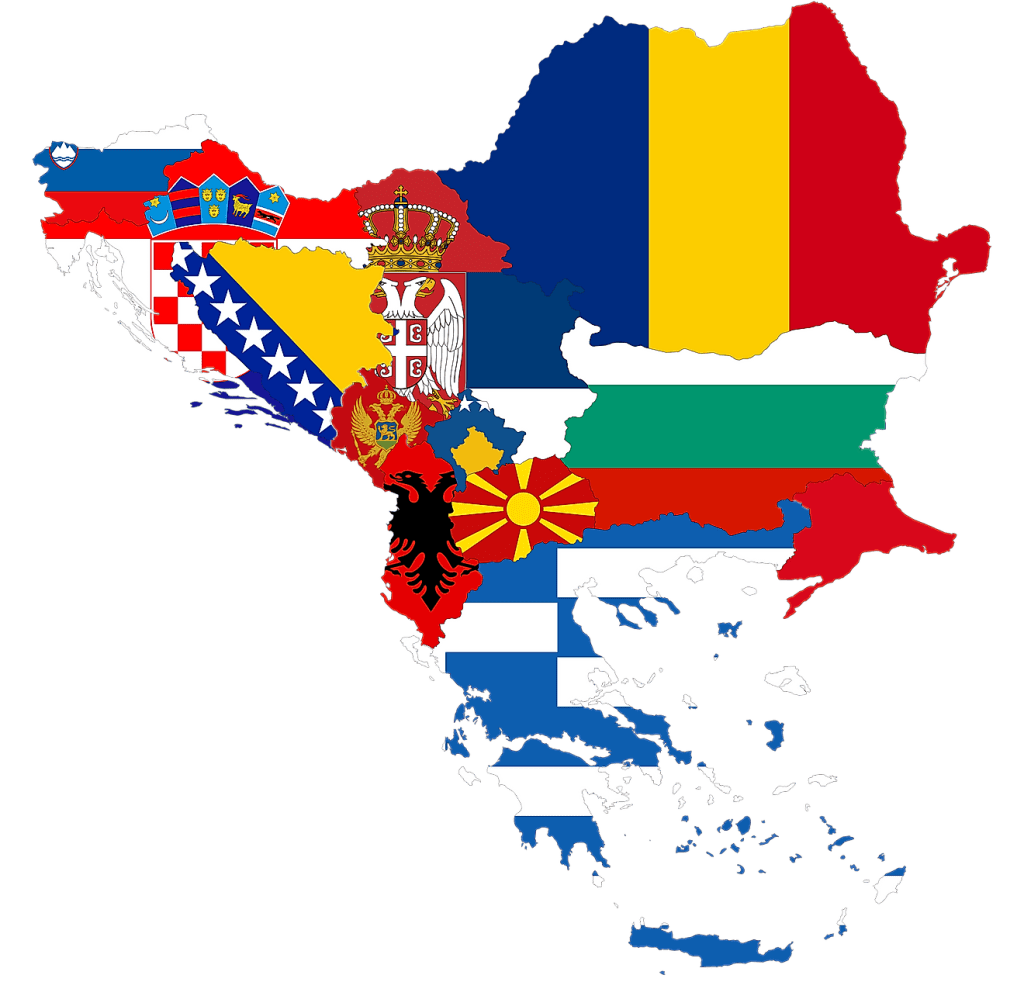
The Balkans: Historic Divisions, Emerging Tensions, and Paths Toward Stability
Introduction
The Balkans, a region with a history shaped by ethnic divisions, religious diversity, and external influence, remains a complex geopolitical arena. Despite significant progress since the Yugoslav Wars of the 1990s, the region grapples with lingering ethnic rivalries, nationalist sentiments, and economic instability. Compounding these issues are external pressures from the European Union (EU), NATO, and Russia, each vying for influence over countries with strategic value. This analysis examines the ongoing challenges within the Balkans, assessing how internal and external dynamics shape the region’s fragile peace and its prospects for integration into the EU and NATO.
Bosnia and Herzegovina: Ethnic Tensions and Threats to Sovereignty
Conflict Overview:
Bosnia and Herzegovina, created under the 1995 Dayton Accords, is a complex state divided into two entities: the Federation of Bosnia and Herzegovina (primarily Bosniak and Croat) and Republika Srpska (primarily Serb). Ethnic tensions remain high, especially with Republika Srpska’s leadership pushing for greater autonomy, or even secession, threatening the country’s unity.
Current Dynamics:
Milorad Dodik, the nationalist leader of Republika Srpska, has increased calls for independence, resisting central government authority and at times directly challenging Bosnia’s state institutions. This rhetoric has fueled concerns about renewed ethnic conflict. The EU and U.S. have imposed sanctions on Dodik, yet his ties with Russia give him leverage, as Moscow opposes Bosnia’s EU and NATO ambitions.
Key Actors:
- Bosnian central government and the High Representative for Bosnia
- Republika Srpska leadership, led by Milorad Dodik
- EU and NATO, with vested interests in stabilizing the region
Implications:
Republika Srpska’s separatist threats could destabilize Bosnia and Herzegovina, reviving ethnic divisions and straining EU and NATO resources. Any escalation risks undermining Bosnia’s path toward EU integration and could impact the broader Balkan region by emboldening other nationalist movements.
Serbia and Kosovo: A Persistent Stalemate with Regional Implications
Conflict Overview:
The Serbia-Kosovo relationship is one of the Balkans’ most contentious issues. While Kosovo declared independence from Serbia in 2008, Serbia does not recognize it, and tensions flare regularly, especially in northern Kosovo, where ethnic Serbs oppose Kosovo’s government. Both sides have been under pressure from the EU and the U.S. to normalize relations, but progress remains elusive.
Current Dynamics:
Negotiations between Serbia and Kosovo, mediated by the EU, have seen some breakthroughs but no final agreement. Serbian President Aleksandar Vucic, while signaling openness to dialogue, faces domestic resistance against recognizing Kosovo’s independence. Kosovo’s government, led by Prime Minister Albin Kurti, is pushing for full international recognition but faces obstacles as some EU members still do not recognize Kosovo.
Key Actors:
- Serbian government, led by President Aleksandar Vucic
- Kosovo’s government, led by Prime Minister Albin Kurti
- EU and U.S., mediating negotiations
Implications:
The deadlock between Serbia and Kosovo prevents both countries from advancing in EU accession talks and keeps regional stability at risk. Should tensions escalate, there could be security concerns for NATO, which maintains a peacekeeping force in Kosovo. The unresolved status of Kosovo also serves as a flashpoint that other actors, like Russia, can exploit to challenge Western influence in the Balkans.
North Macedonia: Identity Politics and EU Integration Challenges
Conflict Overview:
North Macedonia, after resolving its name dispute with Greece in 2018, had hoped for a swift path to EU membership. However, Bulgaria has since blocked North Macedonia’s EU accession talks over language and historical disputes, stalling progress and fueling nationalist sentiments.
Current Dynamics:
The stalemate with Bulgaria has frustrated many in North Macedonia, especially younger generations who see EU membership as a path to prosperity. Populist movements are growing, arguing that the EU has abandoned the region. Meanwhile, North Macedonia’s diverse population includes a sizable ethnic Albanian minority, and maintaining interethnic stability remains a priority for the government.
Key Actors:
- North Macedonian government, led by Prime Minister Dimitar Kovachevski
- Bulgarian government, asserting historical claims over language and culture
- EU institutions, mediating the accession process
Implications:
Bulgaria’s veto over North Macedonia’s EU bid underscores the EU’s complex challenges in integrating the Balkans. If unresolved, North Macedonia may pivot toward non-EU actors, weakening European influence in the region and potentially sparking nationalist movements that threaten internal cohesion.
Montenegro: Political Polarization and Russian Influence
Conflict Overview:
Montenegro, a NATO member since 2017, faces internal political division between pro-Western and pro-Serbian factions, with lingering Russian influence complicating governance. Political instability, including frequent government changes, has stalled EU accession reforms and raised concerns about Montenegro’s commitment to Western integration.
Current Dynamics:
Montenegro’s pro-Serbian and pro-Russian political groups oppose NATO membership and have pushed for closer ties with Serbia. Meanwhile, pro-Western leaders advocate for EU integration and seek to strengthen Montenegrin national identity. Russia maintains influence through Serbian Orthodox Church-backed political groups, while the EU watches closely to prevent political backsliding.
Key Actors:
- Montenegrin government and pro-Serbian opposition parties
- Russian and Serbian-backed factions within Montenegro
- NATO and EU, supporting pro-Western reforms
Implications:
Montenegro’s political instability raises questions about NATO’s influence in the Balkans and highlights Russia’s capacity to exploit regional divides. Without stable leadership and a unified direction, Montenegro may struggle to maintain progress toward EU accession, creating vulnerabilities that could impact Balkan security.
Albania: EU Aspirations and Regional Collaboration
Conflict Overview:
Albania has been one of the most pro-European countries in the Balkans, steadily working toward EU membership. However, its path to accession has been slowed by EU concerns over corruption, judicial independence, and organized crime. Albania’s geographic location makes it an important player in regional security and cooperation.
Current Dynamics:
Prime Minister Edi Rama has prioritized reforms to meet EU standards, although progress is mixed. Albania has actively supported NATO operations in the region and played a role in promoting regional cooperation through the Open Balkan initiative, which seeks to facilitate trade and integration among Western Balkan countries.
Key Actors:
- Albanian government, led by Prime Minister Edi Rama
- EU institutions and accession committees
- NATO, with Albania as an active member
Implications:
Albania’s commitment to EU and NATO goals strengthens its position as a stabilizing force in the Balkans. However, delays in EU accession risk disillusionment among Albanians, which could hinder reform efforts and potentially increase susceptibility to organized crime and corruption.
Regional Dynamics: The Open Balkan Initiative and Competing Influences
The Open Balkan Initiative, which includes Albania, North Macedonia, and Serbia, represents a regional effort to foster economic cooperation and overcome political divisions. While it promotes trade, mobility, and economic development, the initiative is seen skeptically by some, who view it as an alternative to full EU membership. The EU remains cautious, as it prefers all Balkan nations integrate directly with the Union rather than through regional blocs that could complicate accession.
Additionally, external actors like Russia, Turkey, and China continue to play influential roles. Russia seeks to maintain its influence through cultural and historical ties with Serbia and Montenegro, often opposing NATO’s presence. Turkey, under President Erdogan, has developed ties in Albania, Bosnia, and Kosovo, emphasizing shared cultural heritage. China’s economic investments in infrastructure across the Balkans reflect its Belt and Road Initiative goals, though these investments have led to concerns over debt dependency.
Conclusion: A Region at a Crossroads Between Europe and Eastern Influence
The Balkans’ path to stability and integration with Europe remains fraught with challenges, from nationalist movements and ethnic tensions to political instability and external influence. EU accession remains a critical goal for many Balkan nations, though slow progress risks frustrating publics and empowering nationalist actors. NATO’s presence has contributed to security, but underlying issues—such as unresolved borders and historical grievances—persist, often exacerbated by Russia’s strategic interests in the region.
The future of the Balkans hinges on its ability to resolve internal disputes, strengthen democratic institutions, and pursue economic growth. For the EU, supporting Balkan stability through accelerated accession processes and security cooperation could bring the region closer to European standards, limiting Russia’s and China’s influence.
As the Balkans navigate this period of transformation, the choices made by regional leaders—and the support provided by the EU and NATO—will shape the region’s stability, security, and integration for years to come. If successful, the Balkans could become a fully integrated and prosperous part of Europe; if not, it risks becoming a frontier for competing geopolitical interests.
 Apocalypse Now Threedux: World War Thr33
Leave a comment