Eastern Europe: Geopolitical Fault Lines, Democratic Struggles, and Regional Tensions
Introduction
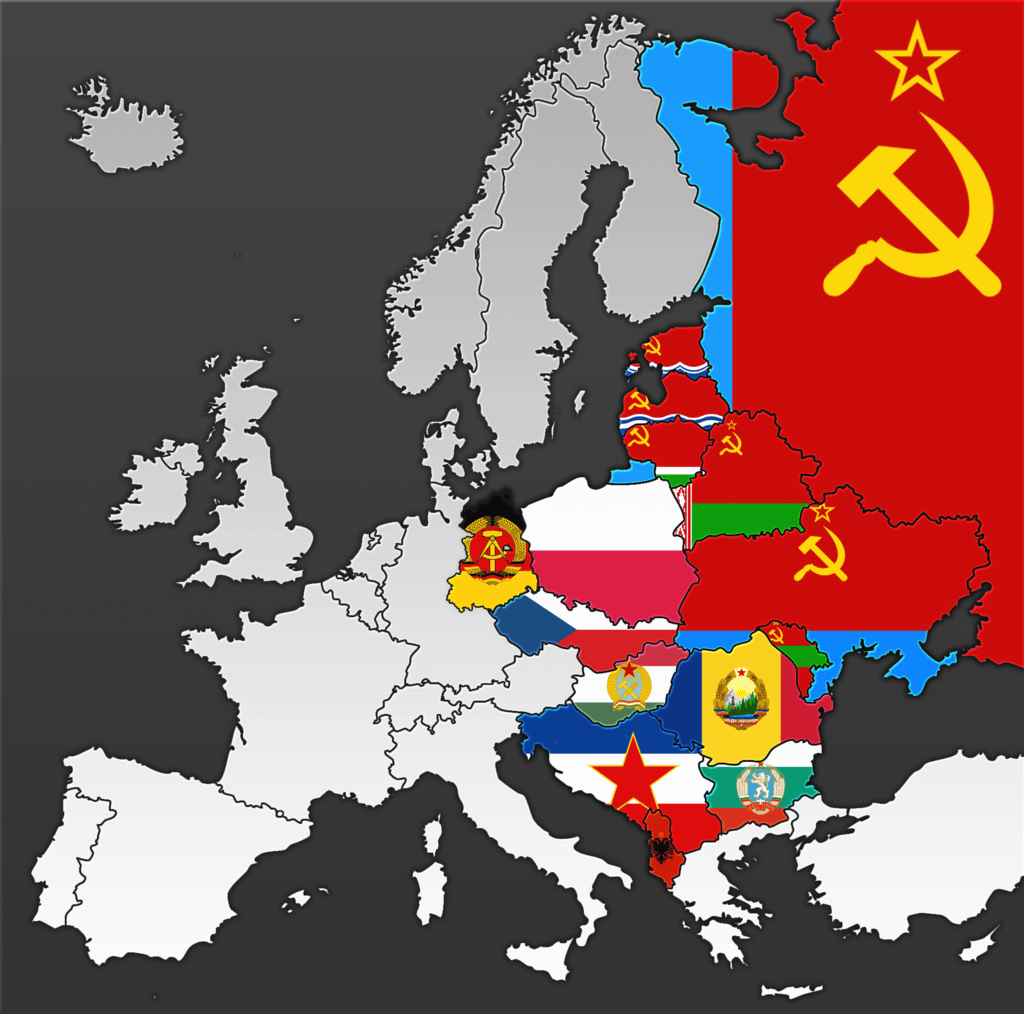
Eastern Europe is a region marked by historical complexities, national identity struggles, and the legacies of Soviet influence. As the conflict in Ukraine escalates, the region is at the center of heightened geopolitical tensions between Russia and the West, with impacts that extend far beyond Ukraine’s borders. Eastern Europe is also home to diverse nations grappling with democratic reforms, economic inequality, and the tug of influence between the European Union and Russia. This analysis explores the conflicts, societal shifts, and international dynamics that are reshaping Eastern Europe’s future.
Ukraine: The Frontline of Russian Aggression and European Defense
Conflict Overview:
Russia’s 2022 invasion of Ukraine has plunged Eastern Europe into a major conflict, with devastating consequences for Ukraine and broader implications for the region. The war has not only caused massive displacement and humanitarian crises but also triggered a reshaping of Europe’s security architecture and intensified U.S.-NATO involvement in the region.
Current Dynamics:
Ukrainian forces, backed by Western military aid, have resisted Russia’s attempts to capture strategic regions, although the war remains intense. The West has imposed heavy sanctions on Russia, while NATO has strengthened its eastern defenses. Meanwhile, millions of Ukrainian refugees have spread across Europe, challenging regional humanitarian and integration capacities.
Key Actors:
- Ukrainian government and military
- Russian military and Kremlin leadership
- NATO, European Union, and allied Western nations
Implications:
The outcome of the Ukraine war will significantly impact regional stability and influence the global balance of power. Should Ukraine succeed in defending its sovereignty, it may accelerate its EU and NATO integration, setting a precedent for other Eastern European nations seeking protection from Russian influence. Conversely, prolonged conflict could destabilize the region, creating a protracted security crisis along Eastern Europe’s borders.
Poland: NATO’s Eastern Bastion and Rising Regional Influence
Conflict Overview:
Poland, sharing borders with both Ukraine and Belarus, has emerged as a strategic NATO ally and critical supporter of Ukraine. Poland’s active role in supporting Ukrainian refugees and its strong anti-Russian stance have bolstered its regional influence, positioning it as a key voice in Eastern European security.
Current Dynamics:
The Polish government has led calls within the EU for harsher sanctions on Russia and increased military support for Ukraine. Poland is also expanding its own military capabilities, doubling defense spending and strengthening its border security. Internally, Poland grapples with political polarization, ongoing judicial reforms, and tensions with the EU over rule-of-law disputes.
Key Actors:
- Polish government, led by the Law and Justice (PiS) party
- European Union institutions
- Polish civil society, including pro-democracy groups
Implications:
Poland’s assertive stance on security matters strengthens NATO’s eastern flank but risks straining its relations with the EU over judicial and media reforms. Poland’s central role in Eastern European defense could elevate its regional influence, though its democratic challenges raise concerns about internal cohesion and EU integration.
Hungary: Balancing EU Membership with Russian Ties
Conflict Overview:
Hungary’s government, led by Prime Minister Viktor Orbán, has taken a unique stance in Eastern Europe by maintaining close ties with Russia while being a member of the EU and NATO. Orbán’s policies often diverge from the EU consensus, particularly on issues like sanctions on Russia and immigration.
Current Dynamics:
Hungary’s reluctance to fully support sanctions against Russia and its dependence on Russian energy have created tensions within the EU. Domestically, Orbán’s government faces criticism for its erosion of judicial independence and media freedoms, with the EU imposing financial penalties as a result. Hungary’s opposition to unified EU stances on Russia underscores its balancing act between Western alliances and Russian ties.
Key Actors:
- Hungarian government, led by Viktor Orbán and Fidesz party
- European Union institutions, including the European Parliament
- Hungarian opposition and civil society organizations
Implications:
Hungary’s strained relations with the EU could weaken regional unity, especially on security issues. Orbán’s policies set Hungary apart within NATO and the EU, potentially isolating the country if tensions with Brussels escalate. Hungary’s balancing act also highlights the challenges the EU faces in enforcing democratic standards among its member states.
The Baltic States: Lithuania, Latvia, and Estonia on the Frontline
Conflict Overview:
The Baltic states—Lithuania, Latvia, and Estonia—are at the forefront of NATO’s eastern defenses, sharing borders with Russia and, in Lithuania’s case, with the Russian exclave of Kaliningrad. Historical memories of Soviet occupation fuel strong anti-Russian sentiment, and the war in Ukraine has only heightened their security concerns.
Current Dynamics:
The Baltic states have increased defense spending, bolstered NATO cooperation, and implemented policies aimed at reducing dependence on Russian energy. They are among the most vocal EU members pushing for strong sanctions on Russia and have taken measures to counter Russian influence in their media and cyber infrastructure.
Key Actors:
- Governments of Lithuania, Latvia, and Estonia
- NATO and EU leadership
- Russian government and security forces
Implications:
The Baltic states’ proactive stance strengthens NATO’s eastern defenses, yet their proximity to Russia and Kaliningrad remains a vulnerability. Should tensions escalate further, these states could face increased military pressure, placing NATO’s collective security commitment to the test.
Belarus: Russia’s Ally and an Uncertain Future
Conflict Overview:
Belarus, under President Alexander Lukashenko, has closely aligned itself with Russia, serving as a staging ground for Russian troops in the Ukraine conflict. Lukashenko’s authoritarian rule has intensified since the contested 2020 election, with crackdowns on opposition, independent media, and civil liberties. Belarus’s relationship with Russia has effectively eroded its sovereignty, positioning the country as a potential Russian satellite.
Current Dynamics:
Lukashenko has resisted full Belarusian involvement in the Ukraine war but allows Russian military operations within Belarusian borders. Meanwhile, internal dissent remains suppressed, and many Belarusians opposed to the regime have fled or face persecution. Belarus’s economy suffers under Western sanctions, making it increasingly dependent on Russia.
Key Actors:
- Belarusian government, led by Alexander Lukashenko
- Russian government and military
- Belarusian opposition figures, including exiled leader Sviatlana Tsikhanouskaya
Implications:
Belarus’s deepening dependence on Russia risks making it a launching pad for further military operations, should Russia escalate in Ukraine or target neighboring countries. The lack of sovereignty and growing isolation deepen Belarus’s challenges, and any change in regime could disrupt Russia’s influence, creating new instability in the region.
Romania and Bulgaria: Security, Economic Reforms, and Anti-Corruption Efforts
Conflict Overview:
Romania and Bulgaria, both EU and NATO members, are strategically important in Eastern Europe’s security framework, especially as Black Sea states close to the Ukrainian conflict zone. While they have made progress in economic reforms and anti-corruption efforts, governance challenges persist, and both countries have been affected by the migration crisis and regional instability.
Current Dynamics:
Both countries are expanding their military capabilities and have committed to NATO’s security initiatives, though corruption and economic disparities remain obstacles to further EU integration. Romania, in particular, has strengthened ties with the U.S. through military cooperation, while Bulgaria, traditionally more aligned with Russia, has shifted toward NATO.
Key Actors:
- Romanian and Bulgarian governments
- European Union and NATO
- Civil society groups advocating for anti-corruption reforms
Implications:
Romania and Bulgaria’s commitment to NATO and EU principles enhances stability in the region, though governance reforms remain essential to strengthen their roles in European security. Their position along the Black Sea adds strategic value, particularly in monitoring Russian activities, but corruption challenges could hinder their long-term potential.
Regional Dynamics: NATO’s Eastern Flank, Energy Security, and the Influence of the EU
Eastern Europe’s geopolitical landscape is increasingly shaped by the evolving role of NATO and the EU. With heightened tensions following Russia’s aggression in Ukraine, NATO has ramped up its presence in Eastern Europe, positioning more troops in Poland, the Baltics, and Romania. This shift underscores NATO’s commitment to collective defense, though it also raises the stakes in any potential confrontation with Russia.
Energy security has become critical, especially as Eastern European nations work to reduce reliance on Russian gas. New infrastructure projects, like LNG terminals in Poland and Baltic energy interconnections, aim to diversify the region’s energy sources. The EU’s support for renewable energy investments further enhances these efforts, though the transition remains complex and costly.
Conclusion: The Future of Eastern Europe in a Divided Continent
Eastern Europe’s challenges and transformations have profound implications for the stability of the continent. The region stands at the crossroads of Western democratic ideals and Russian authoritarian influence, with countries like Ukraine and the Baltics firmly choosing a Western alignment, while others, such as Belarus, remain closely tied to Moscow. These divisions shape the security, economic, and political landscape across Eastern Europe.
The path forward depends on the outcome of the Ukraine conflict, the strength of NATO’s eastern defenses, and the EU’s ability to support democratic governance and economic resilience in the region. If Eastern Europe can navigate these challenges, it may emerge as a more unified, democratic frontier within the EU. However, any prolonged instability risks deepening the divide between East and West, with global repercussions that will affect Europe, the U.S., and the broader international order.
 Apocalypse Now Threedux: World War Thr33
Leave a comment