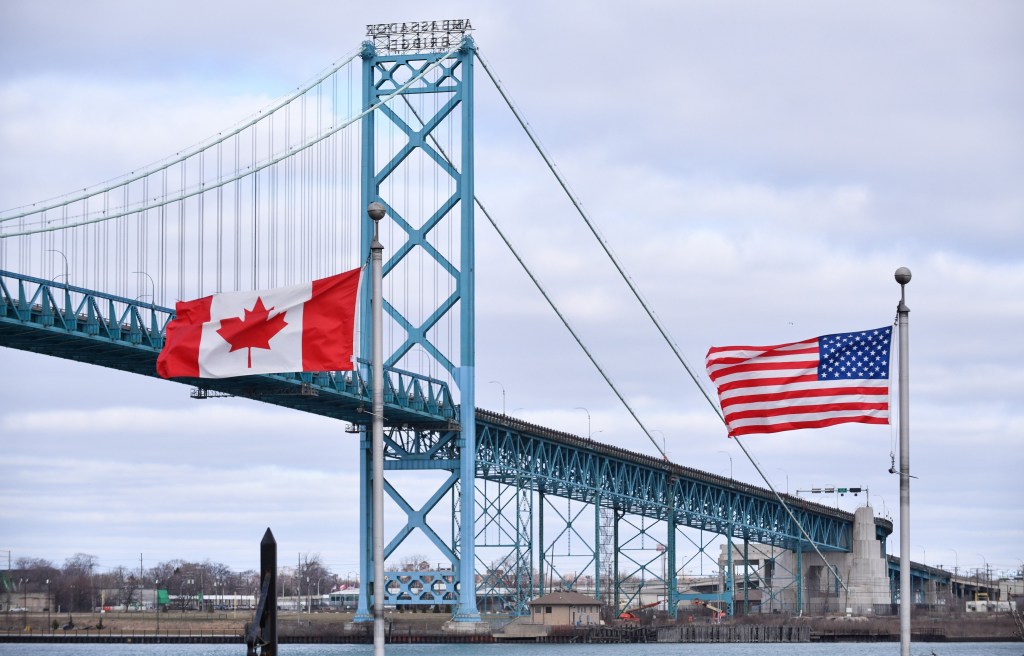
The U.S.-Canada Border: The World’s Longest Undefended Boundary and a Model of Cooperation
Introduction
The U.S.-Canada border stretches over 5,500 miles, making it the longest undefended border in the world and a symbol of one of the closest and most cooperative relationships between two nations. It runs from the Atlantic to the Pacific, through the Great Lakes, across vast prairies, and up to the Arctic Ocean, connecting diverse ecosystems, cultures, and economies. This unique border has shaped the lives of millions and fostered a relationship built on shared values, mutual respect, and strategic cooperation. Yet, as global challenges and regional pressures mount, the U.S.-Canada border also reveals complexities in addressing issues of security, trade, migration, and environmental stewardship in an interconnected world.
A Border Shaped by History: From Colonial Tensions to Partnership
The modern U.S.-Canada border was born out of 18th- and 19th-century treaties and skirmishes between British and American forces, with the 1846 Oregon Treaty marking its full establishment. Despite past hostilities, the border has become a symbol of peace, especially since the early 20th century. The Rush-Bagot Treaty of 1817 limited naval forces on the Great Lakes, creating a model of disarmament that would eventually lead to the “undefended border” designation.
The U.S.-Canada relationship further solidified during the world wars, when both countries aligned in the fight for democratic values. Their post-war alliance continued through NATO and expanded with the North American Free Trade Agreement (NAFTA) in 1994, which transformed economic relations across North America by reducing trade barriers between Canada, the U.S., and Mexico. Today’s United States-Mexico-Canada Agreement (USMCA), a successor to NAFTA, has further deepened the economic ties between Canada and the U.S., making each other their largest trading partners.
Economic Interdependence: Trade, Labor, and Innovation
Trade between the U.S. and Canada totals more than $700 billion annually, encompassing everything from energy and manufactured goods to agricultural products. The economies of border regions are deeply intertwined, with supply chains crossing back and forth seamlessly. Canadian resources, including oil, natural gas, and hydroelectricity, power U.S. industries, while American consumer goods, machinery, and technology flow into Canada. The Great Lakes region, in particular, serves as a crucial economic corridor, supporting industries from automotive to steel.
The USMCA has facilitated labor mobility for skilled workers, promoting cross-border business and innovation. Cities like Detroit-Windsor and Buffalo-Niagara thrive on shared industries, with workers and students commuting daily across the border. However, the COVID-19 pandemic exposed vulnerabilities in this interdependence, as the border was temporarily closed to non-essential travel, disrupting businesses, tourism, and family connections. The economic impact of the pandemic underscored the need for flexible, cooperative approaches in addressing future global challenges without disrupting regional prosperity.
Security and Immigration: A Cooperative but Guarded Approach
Despite its reputation as an “undefended” border, the U.S.-Canada boundary is closely monitored to manage security, trade, and immigration. The attacks of September 11, 2001, marked a shift in border policy as both countries heightened security efforts. The Smart Border Declaration, signed in 2001, initiated new measures such as the use of advanced surveillance, biometric technology, and information sharing between border agencies to prevent terrorism and ensure the safe movement of people and goods.
The Canada-U.S. relationship on immigration is distinct from the U.S.-Mexico dynamic, with both countries generally cooperating on immigration enforcement and refugee policies. The Safe Third Country Agreement requires asylum seekers to apply in the first “safe” country they reach, preventing “asylum shopping” across borders. However, the agreement has faced criticism, particularly as irregular migration increased along the Quebec-New York border, where asylum seekers cross on foot. As climate migration and international crises intensify, managing immigration between two of the world’s most prosperous nations will require sustained diplomatic efforts.
Environmental Stewardship and Climate Cooperation
The U.S.-Canada border encompasses diverse ecosystems, from the Arctic to temperate rainforests, that face serious environmental challenges, including climate change, pollution, and habitat degradation. Both countries share responsibility for managing the Great Lakes, which supply drinking water to millions and support crucial biodiversity. The 1909 Boundary Waters Treaty and the International Joint Commission (IJC) have served as frameworks for cooperation on water quality and conservation, while efforts to curb pollution from agriculture, urban runoff, and industrial activity continue to be a shared priority.
Climate change has intensified the need for cross-border environmental collaboration. The U.S. and Canada have agreed to cut methane emissions from oil and gas production, implement sustainable forestry practices, and protect Arctic ecosystems. However, energy projects, such as the Keystone XL pipeline, have exposed tensions, especially as Canada’s economy relies heavily on fossil fuels, while U.S. states pursue ambitious climate goals. These issues highlight the balance Canada and the U.S. must strike between economic growth and environmental responsibility.
Indigenous Nations and Cross-Border Rights
The U.S.-Canada border cuts through Indigenous lands, impacting tribal communities whose cultures, trade networks, and histories predate both nations. The Jay Treaty of 1794 originally granted Indigenous people the right to cross freely between the U.S. and Canada, but the implementation of these rights has been inconsistent. Indigenous communities, such as the Mohawk Nation and Blackfeet Nation, continue to advocate for recognition of cross-border rights for trade, culture, and family.
In recent years, the role of Indigenous nations in U.S.-Canada relations has gained greater visibility, especially regarding natural resource management. Indigenous communities are increasingly vocal about environmental stewardship and land rights, challenging projects like pipelines that threaten their lands and advocating for sustainable development. Both governments face pressure to involve Indigenous leaders in decision-making processes and honor treaty obligations in a way that respects the sovereignty and traditions of Indigenous nations.
Tourism and Cross-Border Culture: A Unique Interconnection
Border cities and towns benefit from a strong tourism sector, with millions of Americans and Canadians crossing each year for shopping, recreation, and cultural events. Popular destinations like Niagara Falls, Vancouver, and Montreal draw tourists from both sides, contributing billions to local economies. Joint cultural initiatives, such as music festivals, art exhibitions, and sports leagues, reflect the deep social ties that connect Canadians and Americans.
Cross-border tourism took a major hit during the COVID-19 pandemic, with closures cutting off travel and affecting small businesses reliant on tourism. Reopening the border was a high priority for local economies, especially as the U.S. and Canada have one of the highest rates of cross-border visits globally. As tourism rebounds, both nations aim to encourage people-to-people exchanges and support local businesses that rely on international visitors.
Future Challenges: Cybersecurity, Arctic Policy, and Global Leadership
The U.S.-Canada border represents more than trade and tourism; it symbolizes shared security interests, especially as new challenges emerge. Both nations face cyber threats that target infrastructure, businesses, and governments, necessitating joint cybersecurity measures. The U.S. and Canada regularly share intelligence on cyber threats, but as attacks become more sophisticated, coordination will be essential to protect national security and economic stability.
In the Arctic, climate change is opening up new shipping routes and sparking interest in resource exploration, making Arctic security a priority for both countries. The U.S. and Canada, along with other Arctic nations, have committed to peaceful cooperation in the region. However, the increasing presence of Russia and China in the Arctic raises strategic concerns, prompting the U.S. and Canada to bolster their Arctic capabilities and protect their northern territories.
In terms of global leadership, the U.S. and Canada often collaborate on international issues, including democratic governance, human rights, and economic development. As two of the world’s leading democracies, both countries advocate for multilateral solutions to global challenges. However, occasional policy differences—on issues like defense spending or climate action—can create friction. Maintaining a close alliance while respecting national priorities will be key to the U.S.-Canada partnership’s continued success on the world stage.
Conclusion: The U.S.-Canada Border as a Model of Cooperation
The U.S.-Canada border, often referred to as “the longest undefended border,” exemplifies how two nations can maintain a peaceful, productive relationship based on mutual respect, shared values, and economic integration. Despite occasional policy disagreements, the U.S.-Canada relationship has remained remarkably resilient, shaped by a common commitment to security, prosperity, and democratic ideals.
As global challenges grow more complex, the U.S. and Canada face new tests in areas like cybersecurity, environmental protection, and Arctic sovereignty. How these allies navigate their shared challenges will set a precedent for international cooperation in a world increasingly defined by interdependence. Ultimately, the U.S.-Canada border stands not only as a physical boundary but as a testament to the power of partnership and the possibilities of peaceful coexistence in an interconnected world.
 Apocalypse Now Threedux: World War Thr33
Leave a comment