The U.S.-Mexico Border: A Complex Landscape of Migration, Security, and Economic Interdependence
By Anne, Pulitzer-winning Journalist on Geopolitics and Foreign Relations
Introduction
The U.S.-Mexico border, a nearly 2,000-mile line stretching from the Pacific Ocean to the Gulf of Mexico, is one of the world’s most dynamic and contentious frontiers. It divides two countries with deeply intertwined histories, economies, and cultures, and is a focal point of political debate, human migration, and economic exchange. From immigration policies and drug trafficking to trade agreements and environmental issues, the border represents both the opportunities and challenges of a complex, interconnected relationship. Today, the U.S.-Mexico border continues to shape the lives of millions and reflects broader themes of globalization, security, and the quest for a humane yet secure migration system.
A Shared History: The Roots of the Border
The U.S.-Mexico border’s origins date back to the Mexican-American War (1846-1848), which ended with the Treaty of Guadalupe Hidalgo. The treaty resulted in Mexico ceding a vast portion of its northern territory to the U.S., shaping the modern border. For nearly two centuries, the border has been a point of tension, cooperation, and migration. For many in the border regions, family ties, culture, and commerce have blurred national lines, fostering a unique bi-national identity. Cities like San Diego-Tijuana and El Paso-Ciudad Juárez have grown into vibrant hubs of cross-border exchange, where economies and families straddle both sides of the line.
The U.S.-Mexico relationship has evolved significantly, particularly with the implementation of the North American Free Trade Agreement (NAFTA) in 1994, which further integrated the economies of the U.S., Mexico, and Canada. NAFTA’s successor, the United States-Mexico-Canada Agreement (USMCA), continues this economic integration, making the U.S. and Mexico key trading partners. However, economic interdependence has not resolved the challenges of migration, border security, and social disparities, which remain contentious issues in both countries.
Migration: Human Stories and Policy Challenges
Migration is perhaps the most politically charged issue along the U.S.-Mexico border. Economic instability, violence, and political turmoil in Central America and Mexico drive thousands of people northward each year, hoping for better opportunities or seeking asylum. The journey is often treacherous, with migrants facing violence, exploitation, and dangerous desert conditions. Humanitarian organizations and advocates highlight the need for a more humane approach, yet U.S. immigration policies have increasingly focused on deterrence and enforcement, prioritizing border security over long-term solutions.
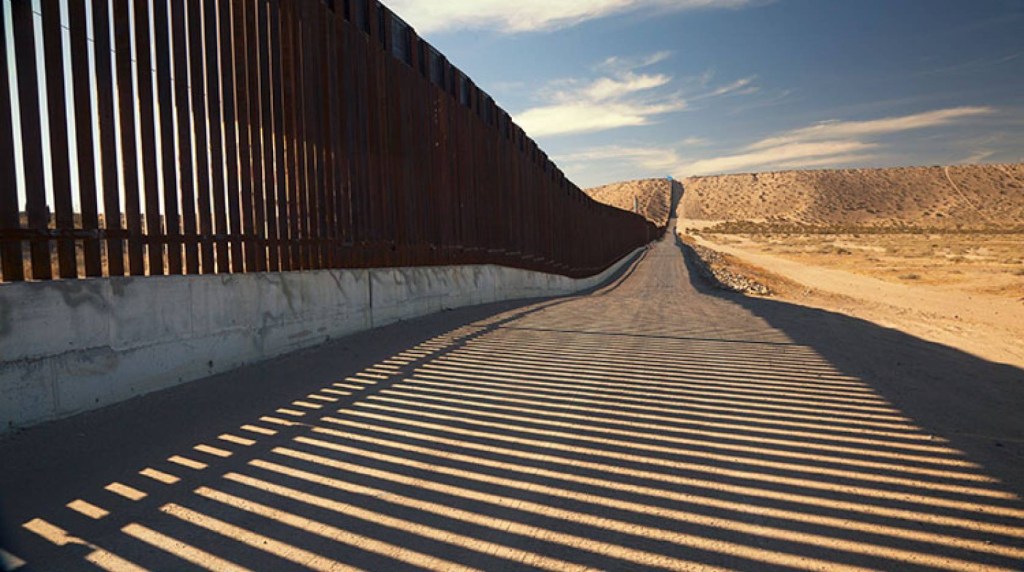
The approach to immigration has varied widely among U.S. administrations. The Trump administration implemented a range of restrictive measures, such as the “Remain in Mexico” policy and construction of new border barriers. The Biden administration sought to reverse some of these policies, yet faced challenges, including a surge of migrants at the border. Attempts to reform the U.S. immigration system have repeatedly stalled in Congress, leaving the border region in a state of uncertainty and straining resources in border communities.
In Mexico, migration poses its own challenges, as the country contends with both outgoing migrants and the increasing flow of Central American migrants passing through. Under pressure from the U.S., Mexico has bolstered enforcement efforts, deploying the National Guard to its southern border. Mexico has thus become not only a country of origin but also a transit and, increasingly, a host country for migrants, particularly as the U.S. tightens its border policies.
The Drug Trade and Border Security
The U.S.-Mexico border is a frontline in the fight against drug trafficking. Mexican cartels smuggle vast quantities of illegal drugs, including heroin, methamphetamine, cocaine, and fentanyl, across the border, often using sophisticated tunnels, drones, and other methods to evade detection. In response, U.S. authorities have increased surveillance, deployed high-tech security infrastructure, and invested billions in efforts to intercept illegal drugs at the border.
The cartels’ influence extends beyond the border, affecting communities on both sides. In Mexico, drug-related violence has claimed hundreds of thousands of lives over the past two decades, destabilizing regions and threatening public safety. U.S. demand for illegal drugs fuels the cartels’ power, creating a cycle of violence, corruption, and enforcement challenges. Border cities like Tijuana and Ciudad Juárez often bear the brunt of this violence, with residents living in fear as rival factions compete for control.
The United States and Mexico have cooperated on anti-drug initiatives, most notably through the Merida Initiative, which provides funding and resources for counter-narcotics efforts in Mexico. However, this collaboration is complex, as some Mexican officials argue that enforcement alone cannot solve the drug crisis without addressing the U.S. demand and the root causes of cartel influence. As fentanyl overdoses rise in the U.S., there is growing pressure on both governments to explore comprehensive approaches that include treatment and prevention, rather than solely relying on border interdiction.
Economic Interdependence: Trade, Labor, and Supply Chains
The U.S. and Mexico are deeply connected through trade and supply chains, with Mexico serving as the United States’ second-largest trading partner. The USMCA, which replaced NAFTA in 2020, facilitates the flow of goods, services, and labor across the border, supporting industries from agriculture and manufacturing to technology and automotive production. Factories in Mexico, known as maquiladoras, produce goods for export to the U.S., creating jobs in Mexico and providing American companies with cost-effective manufacturing solutions.
The border region is a vital economic zone, but it is also marked by stark inequality. While the U.S. side enjoys greater economic resources, wages, and access to services, Mexican border cities often grapple with lower wages, limited infrastructure, and crime. For many Mexicans, cross-border employment is an economic lifeline. Thousands of Mexican workers cross into the U.S. each day, working in agriculture, construction, and service industries, contributing to the American economy while supporting families back home.
However, trade is not without its tensions. The COVID-19 pandemic highlighted the vulnerabilities of global supply chains, particularly as factory shutdowns in Mexico disrupted production for U.S. companies. Additionally, labor and environmental standards have become focal points, with the USMCA requiring Mexico to improve worker protections and wages. This economic interdependence binds the two countries, but also exposes them to shared vulnerabilities, underscoring the need for resilient, equitable trade policies.
Border Communities: Culture, Identity, and Resilience
For communities along the U.S.-Mexico border, the border is more than a line on a map; it is a way of life. Border cities like San Diego, Tijuana, El Paso, and Ciudad Juárez embody a unique bi-national culture where families, language, and daily life transcend national boundaries. For many border residents, crossing back and forth is part of their routine—whether for work, education, family, or shopping. These communities have fostered resilience in the face of political pressures and security challenges, adapting to policies that often impact them most directly.
Despite political tensions, border cities often collaborate on issues like public health, economic development, and infrastructure. For instance, health agencies in El Paso and Ciudad Juárez have cooperated to combat public health crises, while sister cities like San Diego and Tijuana work together on environmental issues, such as pollution in the Tijuana River that affects both sides. These collaborations reflect the unique interconnectedness of border life and highlight the capacity of border communities to find common ground even amid broader national tensions.
Environmental and Humanitarian Concerns
The U.S.-Mexico border is home to diverse ecosystems, from deserts to rivers, that face significant environmental challenges. The construction of border barriers has disrupted wildlife migration routes, endangered species habitats, and altered water flows, sparking concerns among environmentalists. The Rio Grande, which serves as part of the natural boundary between the two countries, is increasingly affected by water scarcity due to climate change, overuse, and population growth. Addressing these issues requires binational cooperation and sustainable management practices that balance security concerns with environmental preservation.
Humanitarian issues are also paramount. Migrants making the journey through harsh desert terrain face extreme heat, dehydration, and violence from smugglers. Border deaths have become tragically common, and humanitarian organizations frequently intervene to provide aid. Policies focused on deterrence, such as family separations and detention centers, have drawn significant criticism, sparking debates over the ethics of immigration enforcement. Efforts to balance national security with humanitarian considerations remain a contentious yet critical aspect of border policy.
Conclusion: Toward a Balanced Approach
The U.S.-Mexico border is a microcosm of broader debates on migration, security, economic interdependence, and humanitarian values. As one of the most frequently crossed borders in the world, it embodies the complexities of globalization, where issues of sovereignty intersect with shared economic and social interests. For the United States and Mexico, achieving a balanced approach that respects human rights, fosters economic opportunity, and ensures security is crucial—not only for the stability of the border region but also for the long-term health of their bilateral relationship.
As both countries continue to address these challenges, the U.S.-Mexico border serves as a powerful reminder of the interconnected nature of modern issues. Whether through policies on trade, security, or environmental conservation, the future of this border will hinge on cooperation, innovation, and a shared commitment to addressing the complexities that shape the lives of millions on both sides. Ultimately, the U.S.-Mexico border is more than a dividing line; it is a place where two nations must find ways to coexist, collaborate, and address shared challenges in an increasingly interdependent world.
 Apocalypse Now Threedux: World War Thr33
Leave a comment