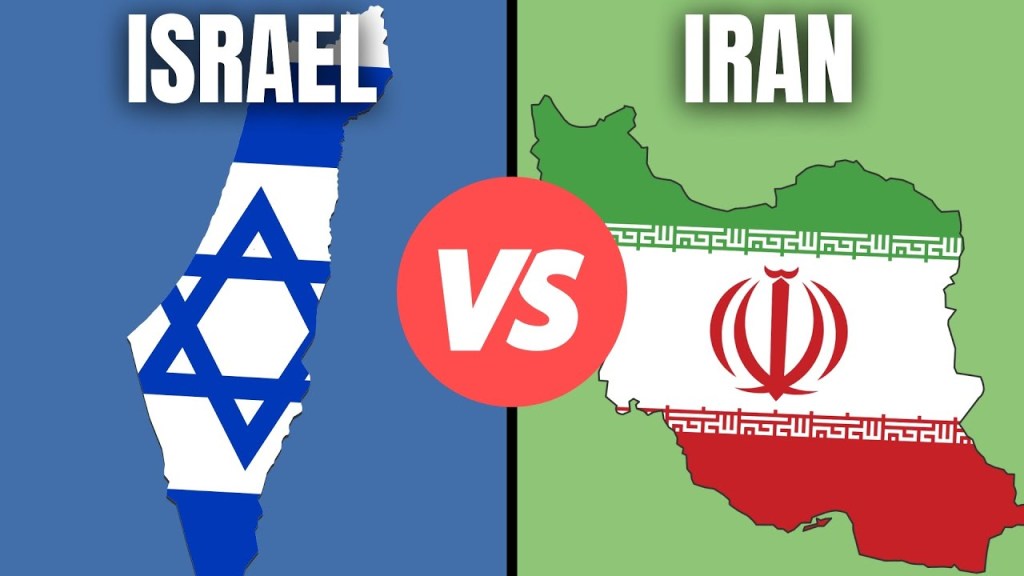
The Israel-Iran Conflict: A Geopolitical Struggle from 1979 to Present
The Israel-Iran conflict is one of the most complex and consequential geopolitical rivalries in the modern Middle East, encompassing ideology, regional influence, and strategic interests. Emerging from a cooperative relationship before 1979, the two nations became bitter adversaries after Iran’s Islamic Revolution. This rivalry has shaped alliances, triggered proxy wars, and created ongoing instability, with global implications that extend far beyond the Middle East.
The Roots: Pre-Revolutionary Relations (1948–1979)
1. Israeli-Iranian Alliance under the Shah
Before 1979, Israel and Iran shared a strategic partnership. Both nations viewed Arab nationalism, particularly under leaders like Egypt’s Gamal Abdel Nasser, as a mutual threat. Iran, then ruled by the pro-Western Shah Mohammad Reza Pahlavi, recognized Israel de facto and maintained covert ties in areas like arms trade, intelligence sharing, and oil supply. This cooperation was part of a broader strategy to counter Arab hostility and Soviet influence in the region.
2. The Islamic Revolution and a Radical Shift
The 1979 Islamic Revolution in Iran overthrew the Shah and installed the anti-Western and Islamist regime led by Ayatollah Ruhollah Khomeini. Khomeini labeled Israel as the “Little Satan” (with the U.S. being the “Great Satan”) and declared solidarity with the Palestinian cause, positioning Iran as a staunch opponent of Israel. Iran’s new foreign policy was rooted in exporting its revolutionary ideals and challenging Western allies in the region, including Israel.
Key Phases of the Israel-Iran Conflict
1. The Iran-Iraq War and Israel’s Early Position (1980–1988)
- Israeli Support for Iran: Paradoxically, during the Iran-Iraq War, Israel quietly provided support to Iran. Despite Iran’s anti-Israel rhetoric, Israel viewed Iraq under Saddam Hussein as a greater threat. The Iran-Contra Affair, in which Israel acted as a conduit for U.S. arms sales to Iran, highlighted this pragmatic approach.
- Emerging Proxy Dynamics: The war also marked the beginning of Iran’s use of proxies to spread its influence. In 1982, during the Israeli invasion of Lebanon, Iran established Hezbollah, a Shiite militia that has since become one of Israel’s most potent adversaries.
2. Post-Cold War Era and Iran’s Regional Ambitions (1990s)
- Nuclear Aspirations: In the 1990s, Israel grew increasingly alarmed by Iran’s nuclear program, which Tehran insisted was for peaceful purposes. Israel viewed a nuclear-armed Iran as an existential threat and began lobbying internationally for sanctions and preventive measures.
- Strengthening Hezbollah: Iran’s support for Hezbollah grew during this period, providing the group with funding, training, and advanced weaponry. Hezbollah became a proxy for Iran’s anti-Israel agenda, conducting attacks against Israeli forces and civilians, particularly during the South Lebanon conflict.
3. The Rise of Tensions in the 21st Century
- 2006 Lebanon War: The 2006 war between Israel and Hezbollah showcased the depth of Iranian support for its proxy. Hezbollah’s ability to launch thousands of rockets into Israel and its resilience against Israeli military operations highlighted Tehran’s growing regional influence.
- Iran’s Expanding Network of Proxies: Iran expanded its reach beyond Hezbollah, supporting groups like Hamas in Gaza and Islamic Jihad, which conducted rocket attacks and suicide bombings against Israel. These alliances deepened Israel’s view of Iran as a regional orchestrator of violence.
4. The Nuclear Issue: A Flashpoint (2000s–Present)
- International Efforts to Contain Iran: Israel spearheaded global efforts to counter Iran’s nuclear ambitions, warning that Tehran was advancing toward developing nuclear weapons. In 2010, the Stuxnet cyberattack, widely attributed to Israel and the U.S., targeted Iran’s nuclear facilities, temporarily disrupting its progress.
- JCPOA and Israel’s Opposition: In 2015, the Joint Comprehensive Plan of Action (JCPOA), or the Iran nuclear deal, was signed between Iran and world powers, including the U.S. Israel’s Prime Minister Benjamin Netanyahu vocally opposed the deal, arguing that it provided Iran with a pathway to a nuclear arsenal in the long term.
- U.S. Withdrawal and Escalation: When the Trump administration withdrew from the JCPOA in 2018, Israel supported the move. Iran responded by accelerating its nuclear enrichment program, prompting heightened Israeli military activity against Iranian-linked targets.
5. Shadow Wars and Proxy Conflicts (2010s–Present)
- Syria as a Battleground: The Syrian Civil War became a key theater for Israeli-Iranian confrontation. Iran deployed forces and militias, including Hezbollah, to support Bashar al-Assad’s regime. Israel conducted hundreds of airstrikes targeting Iranian weapons shipments and military installations in Syria, aiming to prevent Iran from establishing a permanent foothold near Israel’s borders.
- Targeted Killings and Cyberattacks: The covert war between Israel and Iran has involved high-profile assassinations, including the killing of Iranian nuclear scientists (blamed on Israel) and Iranian-backed attacks on Israeli targets abroad. In 2020, Mohsen Fakhrizadeh, a top Iranian nuclear scientist, was assassinated in a sophisticated operation widely attributed to Israel.
- Maritime Clashes: In recent years, the conflict has spilled into the seas, with Israeli and Iranian ships targeted in tit-for-tat attacks in the Red Sea, Gulf of Oman, and other strategic waterways.
Current Dynamics and Implications
Iran’s Nuclear Brinkmanship
Iran has significantly advanced its uranium enrichment capabilities, bringing it closer to potential weapons-grade levels. Israel has repeatedly warned it will not allow Iran to acquire nuclear weapons, raising the specter of preemptive strikes on Iranian facilities.
Regional Alliances and Normalization
The Abraham Accords (2020), in which Israel normalized relations with several Arab states, including the UAE and Bahrain, have further isolated Iran. These agreements represent a realignment of regional powers, uniting Israel and Gulf states against Iran’s perceived aggression.
Proxies and Persistent Threats
Iran’s network of proxies, including Hezbollah and militias in Iraq and Yemen, continues to challenge Israel’s security. Rocket attacks from Gaza and threats from Hezbollah remain key flashpoints, while Iran’s involvement in the broader Middle East intensifies instability.
U.S. Mediation and Strategic Ambiguity
The U.S. remains a critical player in the conflict, balancing its support for Israel with efforts to manage tensions with Iran. The Biden administration has sought to revive the JCPOA, but Israel remains skeptical, warning that diplomacy could embolden Tehran.
Consequences and Future Outlook
1. Regional Instability
The Israel-Iran conflict fuels instability across the Middle East, with flashpoints in Lebanon, Gaza, Syria, and the Persian Gulf. The proxy nature of the conflict exacerbates violence and complicates efforts for peace.
2. Risk of Open War
While the conflict has largely been waged through proxies and covert operations, the potential for a direct confrontation remains high, particularly if Iran crosses Israel’s “red lines” on nuclear weapons development.
3. A Polarized Middle East
The rivalry has deepened divisions in the region, with alliances forming around Israel and Iran. This polarization complicates regional diplomacy and creates an enduring source of tension in global geopolitics.
4. The Prospect of Diplomacy
Despite deep mistrust, international actors continue to push for diplomatic solutions to de-escalate the conflict. The future of the Israel-Iran rivalry may hinge on whether global powers can broker agreements that address the core security concerns of both nations.
Conclusion
The Israel-Iran conflict is a defining struggle of the modern Middle East, encompassing ideological, geopolitical, and strategic dimensions. What began as a shift following Iran’s Islamic Revolution has evolved into a multifaceted confrontation with regional and global consequences. As both nations continue their shadow war, the prospect of resolution remains distant, with the conflict shaping the broader dynamics of Middle Eastern and international relations for years to come.
 Apocalypse Now Threedux: World War Thr33
Leave a comment