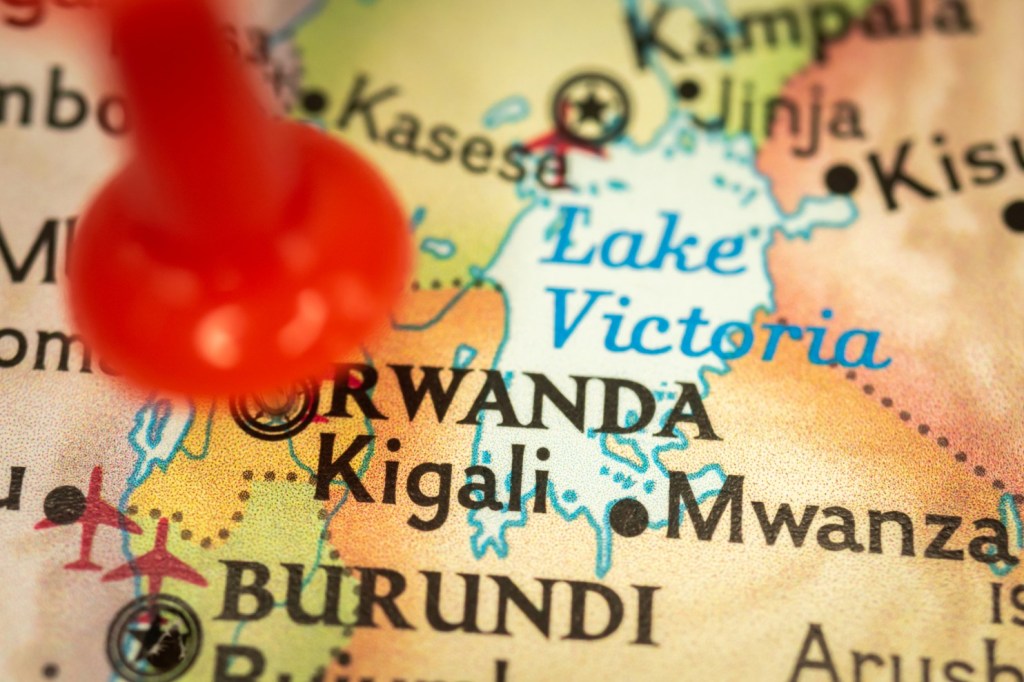
Rwanda: The Civil War, Genocide, and a Journey Toward Reconciliation
Introduction
Rwanda’s story is one of unimaginable tragedy and extraordinary resilience. This small, landlocked country in East Africa captured the world’s attention in the 1990s when it became the site of one of the most horrific genocides in recent history, a brutal culmination of ethnic tensions between the Hutu and Tutsi communities. The Rwandan Civil War and subsequent genocide left a deep scar on the nation, but Rwanda’s journey from the depths of violence to a model of stability and economic growth is a powerful testament to the potential for recovery, unity, and resilience. Today, Rwanda’s transformation raises complex questions about memory, reconciliation, and the path forward for a nation scarred by its past.
Colonial Legacy and the Roots of Ethnic Division
The seeds of Rwanda’s conflict trace back to its colonial past. Prior to European colonization, Rwandans generally identified as part of the same culture, though they belonged to different social groups—Hutu, Tutsi, and Twa—based primarily on socioeconomic roles rather than ethnicity. However, when Belgium took control of Rwanda in the early 20th century, it reinforced a rigid ethnic hierarchy by favoring the Tutsi minority for administrative positions and leadership roles, based on the misguided notion that Tutsis were racially superior due to their supposed “European” characteristics.
This Belgian policy of divide-and-rule deepened divisions between Hutus and Tutsis, establishing ethnic identities that became rigidly entrenched. In 1935, Belgian authorities mandated that all Rwandans carry identity cards designating them as either Hutu or Tutsi. This policy institutionalized ethnic identities that were previously fluid, creating lasting resentment and tensions. When Rwanda gained independence in 1962, Hutus took control of the government, which led to decades of political discrimination against Tutsis, sparking waves of violence and forced migration.
Prelude to War: The Rise of the Rwandan Patriotic Front (RPF)
By the late 1980s, tens of thousands of Rwandan Tutsis had fled the country due to recurring ethnic violence and discrimination, forming a diaspora primarily in neighboring Uganda. In 1987, exiled Tutsis founded the Rwandan Patriotic Front (RPF), a Tutsi-led rebel group committed to returning to Rwanda and challenging the repressive Hutu-led government. The RPF was composed largely of Tutsi refugees and seasoned fighters, many of whom had served in the Ugandan National Resistance Army.
In 1990, the RPF launched an invasion from Uganda, sparking a civil war against the Rwandan government, led by President Juvénal Habyarimana, a Hutu. The invasion intensified ethnic tensions in Rwanda, and the government used the conflict as a pretext to launch propaganda campaigns that painted all Tutsis as “enemies” and “foreign invaders.” Hutu extremists in the government and media ramped up anti-Tutsi rhetoric, laying the groundwork for what would become a systematic campaign of ethnic cleansing.
The Arusha Accords: A Fragile Peace
After years of fighting, international pressure mounted for a peaceful resolution to the conflict. Negotiations between the RPF and the Rwandan government led to the Arusha Accords, signed in 1993. The agreement called for power-sharing between Hutus and Tutsis, the integration of the RPF into the national army, and the establishment of a transitional government. Although the Accords offered a hopeful framework for peace, they were deeply unpopular among Hutu extremists, who saw the agreements as a threat to their hold on power.
Radical factions within the Hutu government began to prepare for mass violence, creating militia groups such as the Interahamwe and stockpiling weapons. Meanwhile, international peacekeeping forces were deployed to monitor the peace process, but they were under-resourced and lacked a clear mandate, limiting their effectiveness in preventing rising tensions. The stage was set for an unprecedented tragedy.
The Genocide: A Hundred Days of Horror (April–July 1994)
On April 6, 1994, President Habyarimana’s plane was shot down near Kigali, killing him and marking the start of a meticulously planned genocide. Within hours, roadblocks were set up across Rwanda, and Tutsi civilians, as well as moderate Hutus who opposed the extremist agenda, were targeted for execution. Over the next 100 days, an estimated 800,000 people—predominantly Tutsis and moderate Hutus—were systematically murdered in one of the fastest and most brutal genocides in history.
Neighbors turned against neighbors, and entire families were slaughtered as the genocide spread across Rwanda. Local militias, backed by government forces, hunted down civilians in homes, schools, and churches. The international community largely stood by, with the United Nations reducing its peacekeeping presence after several peacekeepers were killed, and world leaders failed to intervene despite clear evidence of the mass killings.
The genocide continued unabated until July 1994, when the RPF, led by Paul Kagame, launched a decisive military campaign, capturing Kigali and ending the bloodshed. The RPF’s victory ended the genocide, but the horrors of those hundred days left Rwanda devastated, with hundreds of thousands dead, families shattered, and communities destroyed.
Aftermath and the Challenge of Rebuilding
The post-genocide period was marked by immense suffering, trauma, and the daunting task of rebuilding a fractured nation. Rwanda faced significant challenges, including a collapsed economy, a decimated population, and a deeply divided society. Over two million Hutus, including suspected perpetrators of the genocide, fled the country, fearing reprisals. Many settled in refugee camps in neighboring countries, where some groups attempted to reorganize and carry out cross-border attacks on Rwanda, further destabilizing the region.
The RPF-led government under Paul Kagame, who would later become president, took immediate steps to restore stability and rebuild the nation. This included establishing a transitional government, initiating trials for genocide perpetrators, and rebuilding essential infrastructure. However, achieving justice while promoting national reconciliation was a complex endeavor. Traditional judicial systems were overwhelmed by the sheer number of cases, leading to the creation of the Gacaca courts, a community-based justice mechanism that sought to address genocide crimes and foster reconciliation.
Reconciliation and the Path Toward Unity
Rwanda’s reconciliation process has been one of the most ambitious and controversial in modern history. The government promoted a vision of unity and collective Rwandan identity, downplaying ethnic distinctions as part of a “one Rwanda” policy. This approach was supported by significant investments in education, health, and infrastructure, but it also involved a strict government crackdown on hate speech and a ban on public discussions of ethnicity. Critics argue that this policy limits free expression and ignores legitimate grievances, yet supporters contend it is necessary to prevent a return to ethnic violence.
The Gacaca courts played a central role in the reconciliation process, allowing communities to participate in justice and hold perpetrators accountable. These courts tried nearly two million cases between 2001 and 2012, creating a sense of closure for some survivors while fostering opportunities for forgiveness and reintegration. Despite challenges, the Gacaca courts were seen as a pragmatic solution, emphasizing restorative justice over punitive measures.
Rwanda’s Economic Miracle and Political Stability
In the years following the genocide, Rwanda emerged as an African success story, with one of the continent’s fastest-growing economies. Under Kagame’s leadership, Rwanda has attracted foreign investment, diversified its economy, and positioned itself as a regional hub for innovation, particularly in technology and tourism. The government’s ambitious Vision 2020 and Vision 2050 development plans have led to significant improvements in healthcare, education, and infrastructure, lifting millions out of poverty and creating opportunities for women and youth.
However, Rwanda’s stability and economic success come with a complex political backdrop. Kagame’s government is often praised for its effectiveness and anti-corruption measures, but it has also been criticized for its tight control over political dissent and media freedom. Kagame’s continued rule, including constitutional changes allowing him to remain in power, has sparked debates about democratic principles and political freedoms. For many Rwandans, the government’s authoritarian approach is justified by the peace and progress it has delivered, yet international human rights organizations warn of increasing repression.
Regional Tensions: Rwanda’s Role in the Great Lakes
Rwanda’s relationship with neighboring countries, particularly the Democratic Republic of the Congo (DRC), remains strained. Following the genocide, millions of refugees fled to eastern Congo, including former Hutu extremists who continued to pose a security threat to Rwanda. In response, Rwanda intervened in the DRC, leading to complex and sometimes contentious relationships with regional powers and contributing to the broader conflict in the Great Lakes region.
The continued instability in eastern Congo has impacted Rwanda’s security and regional diplomacy, complicating efforts to establish peace and development in the area. Rwanda has also engaged in efforts to counter armed groups in the region, sometimes resulting in allegations of interference and tensions with its neighbors.
Conclusion: Lessons from Rwanda’s Journey
Rwanda’s journey from genocide to recovery is a profound example of resilience, rebuilding, and the complexities of reconciliation. The nation’s extraordinary economic progress and its ability to foster a sense of national unity are achievements hard-won through the dedication of its people and leaders. Yet, Rwanda’s journey also highlights the tension between security and freedom, unity and diversity, justice and forgiveness.
As Rwanda moves forward, it faces the challenge of balancing stability with the need for political openness, ensuring that its gains in development and peace are sustained. For the international community, Rwanda’s story is a reminder of the cost of inaction and the need for timely intervention in preventing atrocities. For Rwanda, the future holds both promise and challenge, as it continues to navigate its unique path toward peace and progress.
 Apocalypse Now Threedux: World War Thr33
Leave a comment