Echoes of Fire: The Israel-Palestine Conflict, from Origins to the Present
Introduction
It’s a place that thrums with ancient legends and present-day anguish—a strip of land no bigger than New Jersey, but holding the dreams, fears, and fury of millions. The Israel-Palestine conflict, etched in history and scarred by modern-day battles, is not a relic of the past. It’s alive, breathing tension and tragedy, pulling in governments, activists, and ordinary people from around the world. What lies at the core of this unending struggle? From its origins in nationalist fervor to today’s deadly clashes, this is the story of a conflict that won’t stand still—gripping, unsettling, and, for some, heartbreakingly personal.
The Seeds of Division: Competing Nationalisms in a Tumultuous Land
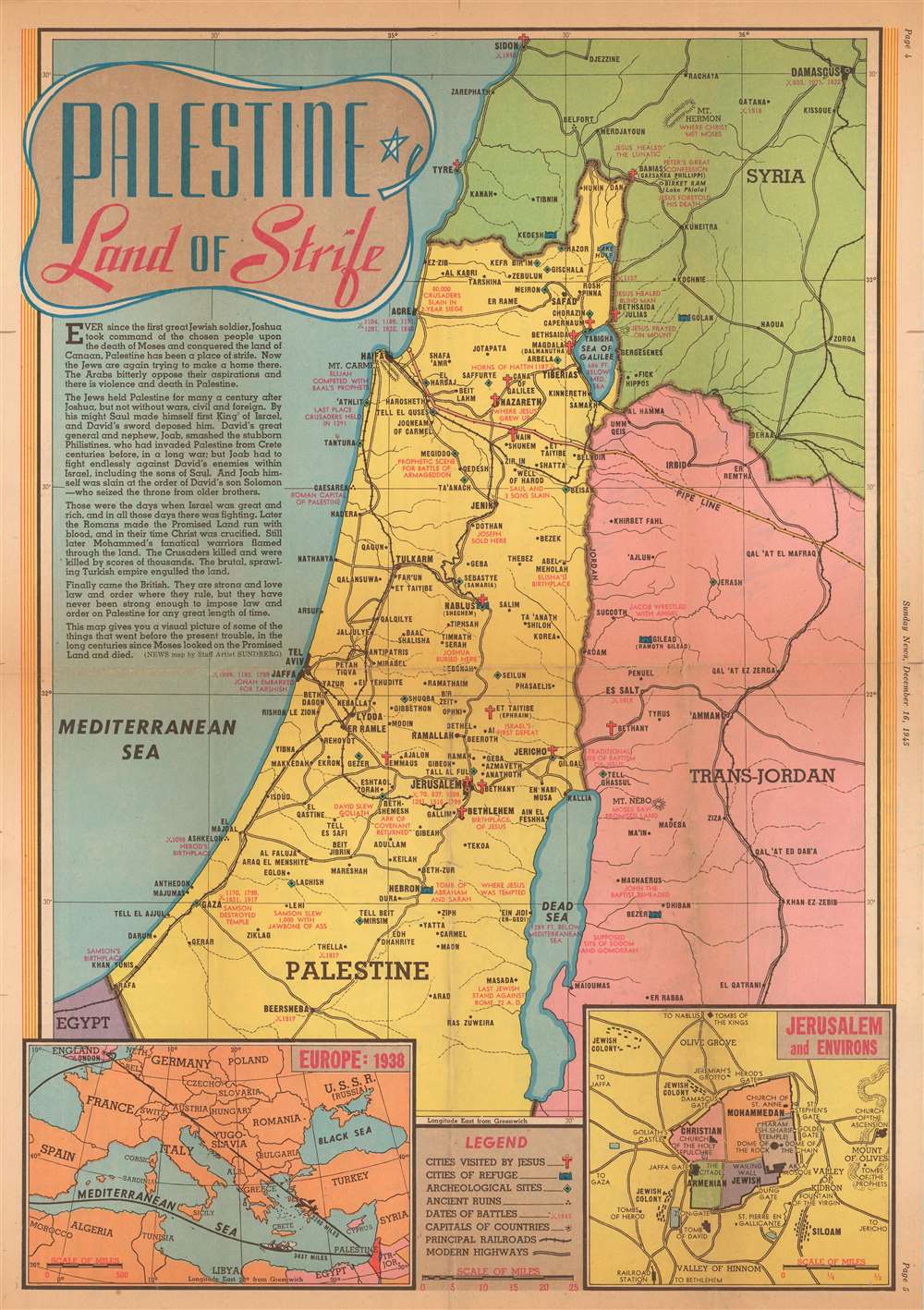
Let’s go back over a hundred years to when this land, then part of the Ottoman Empire, was populated by a mosaic of Arabs, Jews, and Christians. Nationalism was sweeping across Europe, and Jewish communities began dreaming of a homeland—Zion. For them, the ancient land of Israel represented hope and sanctuary after centuries of anti-Semitism and persecution. By the late 19th century, waves of Jewish immigrants started arriving in Palestine, looking for a refuge.
Meanwhile, Arab nationalism was igniting, too. Palestinians, overwhelmingly Muslim and deeply connected to their towns, villages, and olive groves, saw their land as theirs alone. This collision of hopes and fears grew more heated by the year, setting two communities on a headlong course toward confrontation.
The British Mandate and a Promise with Consequences (1917-1948)
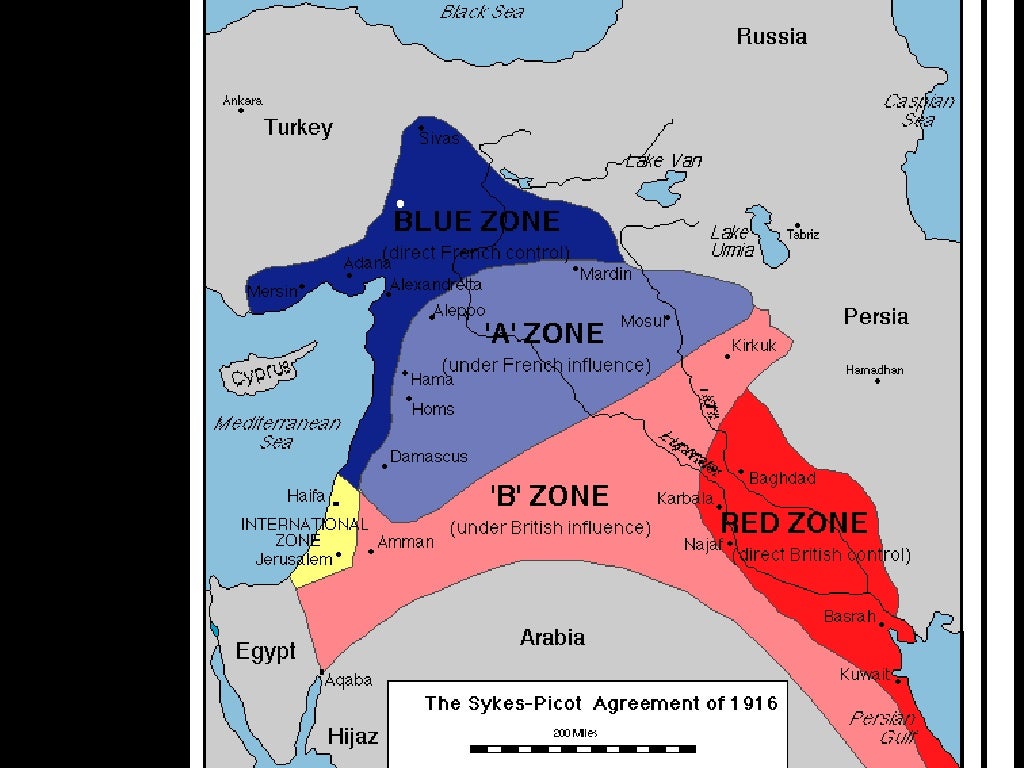
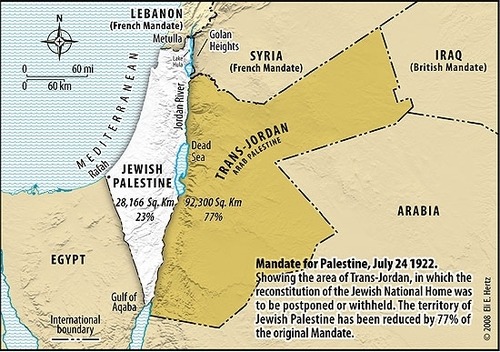
In 1917, the Balfour Declaration flipped the script, as Britain, then the imperial overlord, declared its support for a “national home for the Jewish people” in Palestine. It was an act that poured fuel onto simmering fears. With the British in control after World War I, Jewish immigration accelerated, and Palestinians increasingly felt like strangers on their own land. Skirmishes turned into riots, and riots morphed into all-out confrontations. By the 1940s, Palestine was a powder keg, with the British stuck in the middle, trying to maintain control in a region teetering on the brink of chaos.
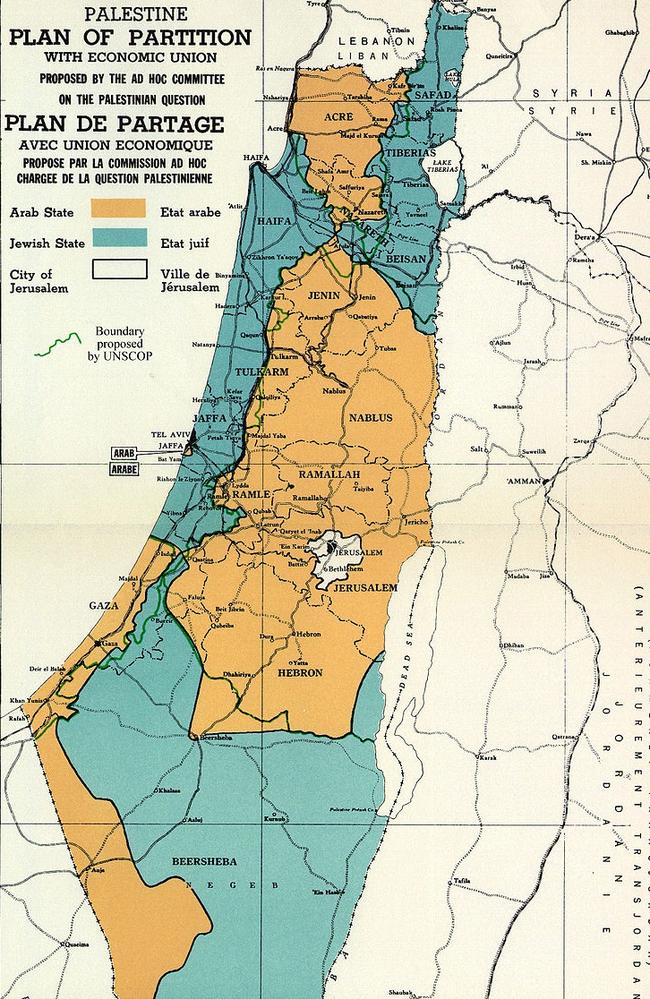
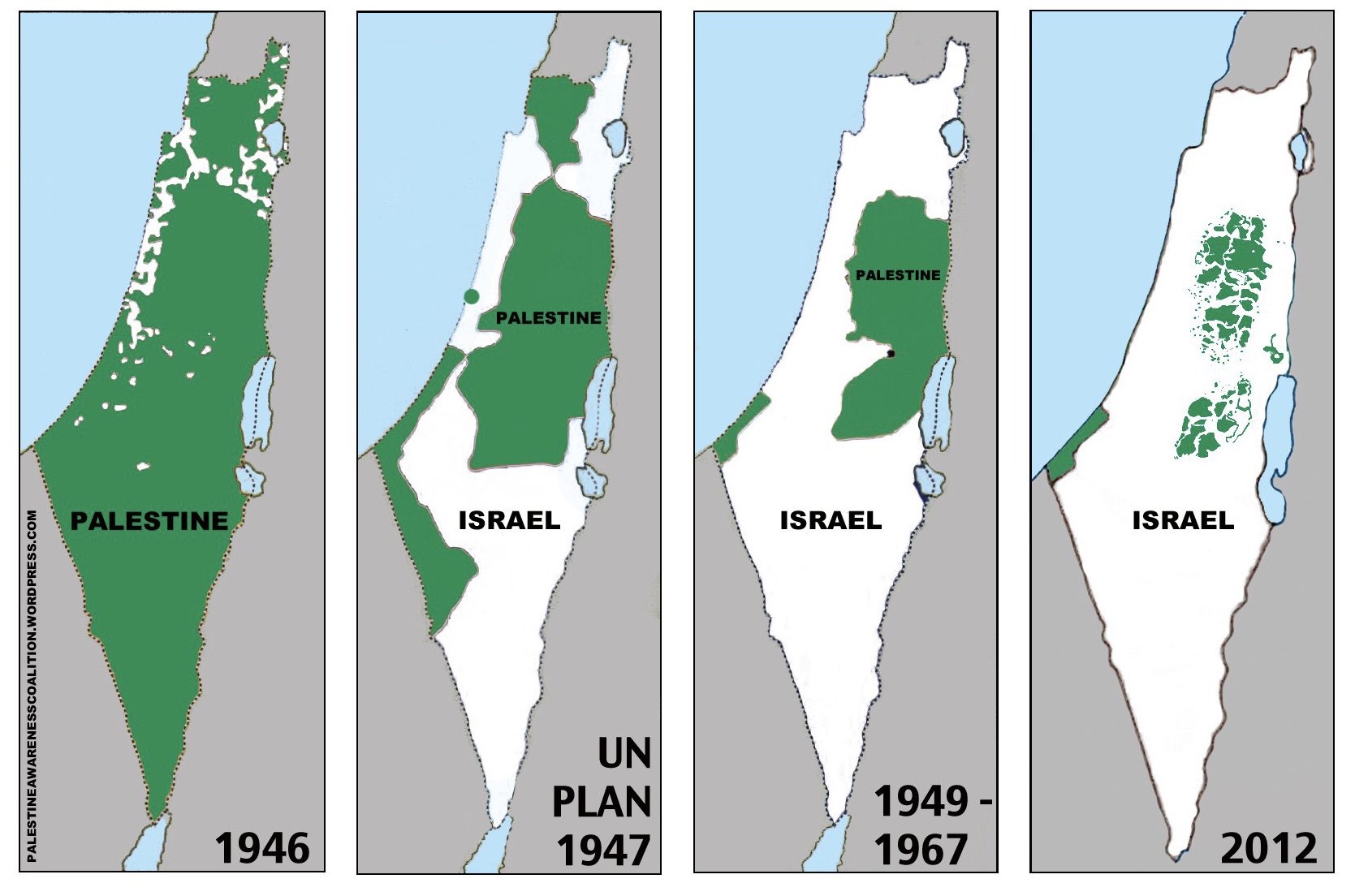
Then, in 1947, the United Nations—trying to broker peace—came up with a plan to split the land into Jewish and Arab states. The Jews accepted, but the Palestinians and neighboring Arab states balked. They couldn’t imagine surrendering land they considered home. The spark that had been flickering for decades was about to ignite a firestorm.
1948: The Founding of Israel and the Shockwave of War
May 14, 1948: The day the State of Israel declared independence, the world changed for both sides. Israel’s birth was celebrated by Jews around the globe—a miracle realized. But for the Palestinian Arabs, it was the Nakba, “the catastrophe,” as over 700,000 of them were displaced. In the fighting that followed, Israel expanded its borders beyond the UN’s proposed lines, creating a refugee crisis that still reverberates.
Arab armies poured in to reclaim the land, but Israel, scrappy and tenacious, held its ground and even gained territory. When the dust settled in 1949, Israel controlled most of the land, and the Palestinians were left without a state. For Israel, it was survival; for Palestinians, a bitter betrayal. What followed was an unending ripple effect, like a stone cast into still waters, only these waves would ripple violently for generations.
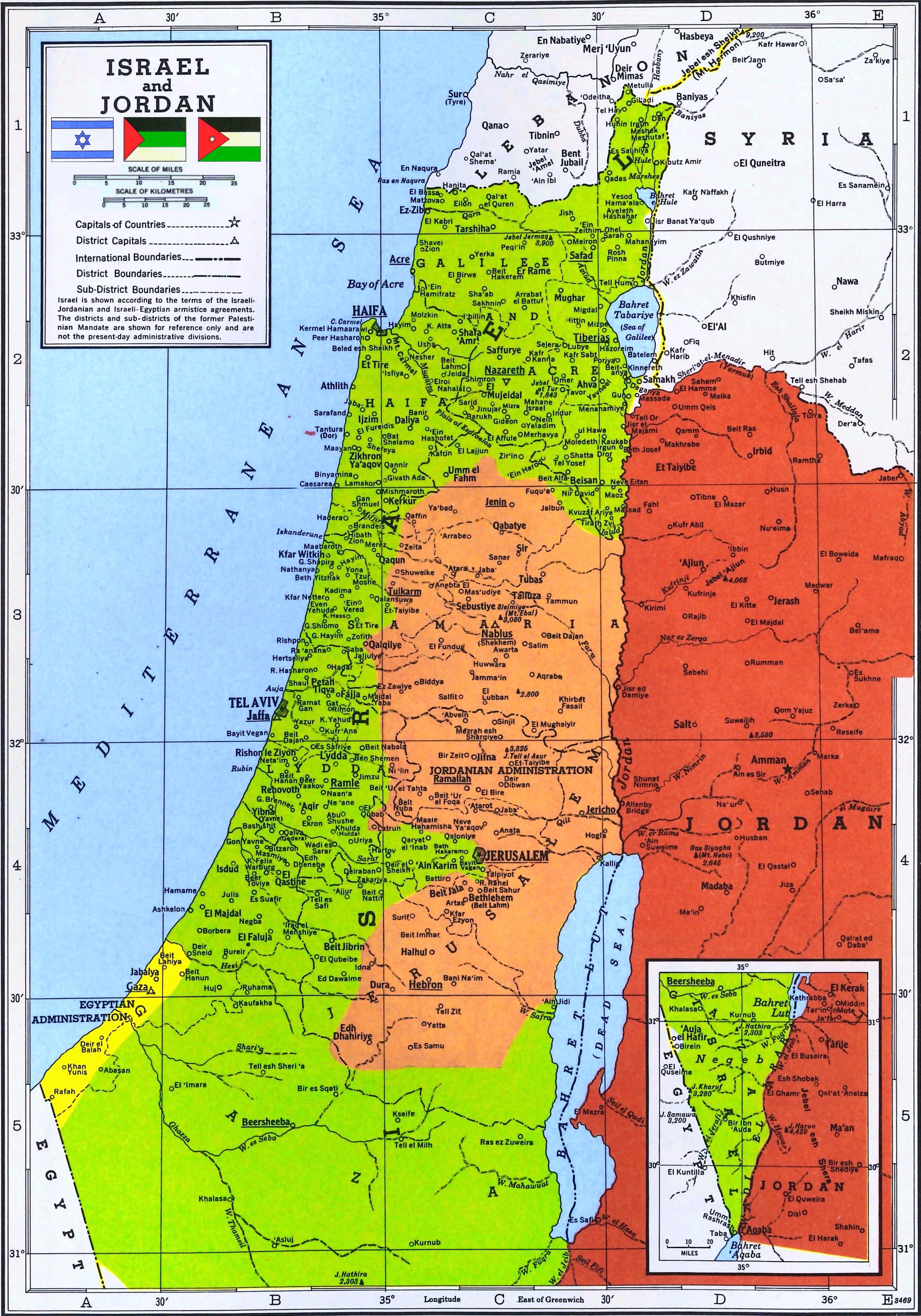
The Six-Day War: A Game-Changer in the Middle East (1967)
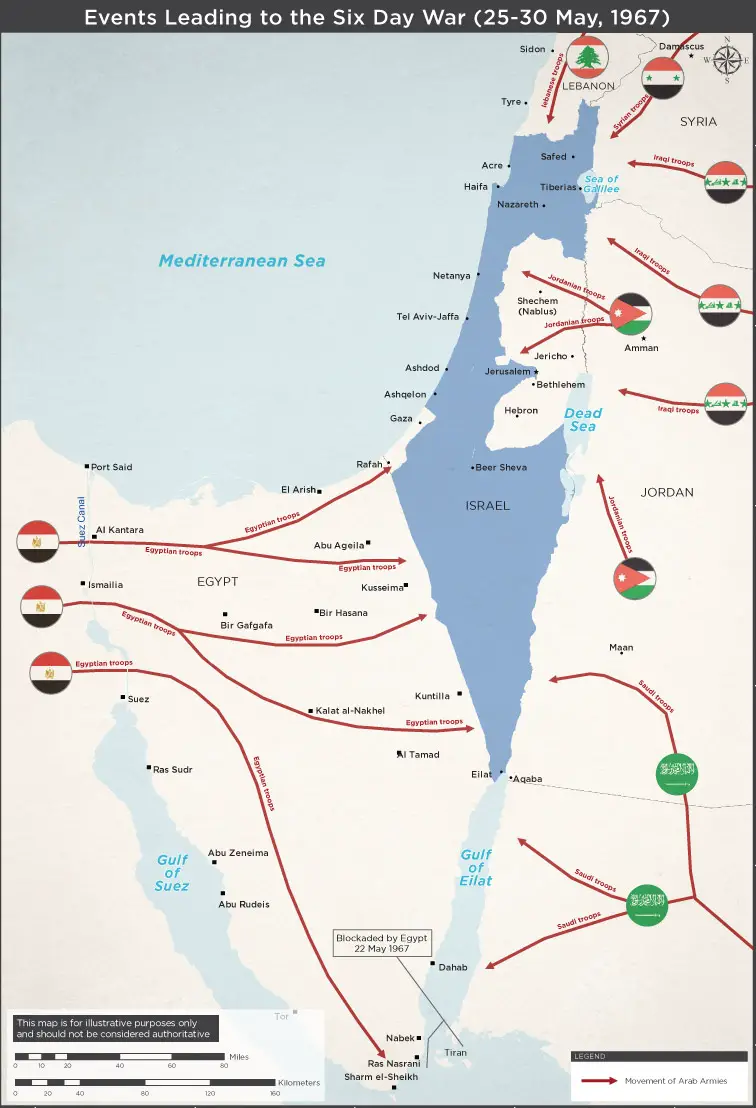
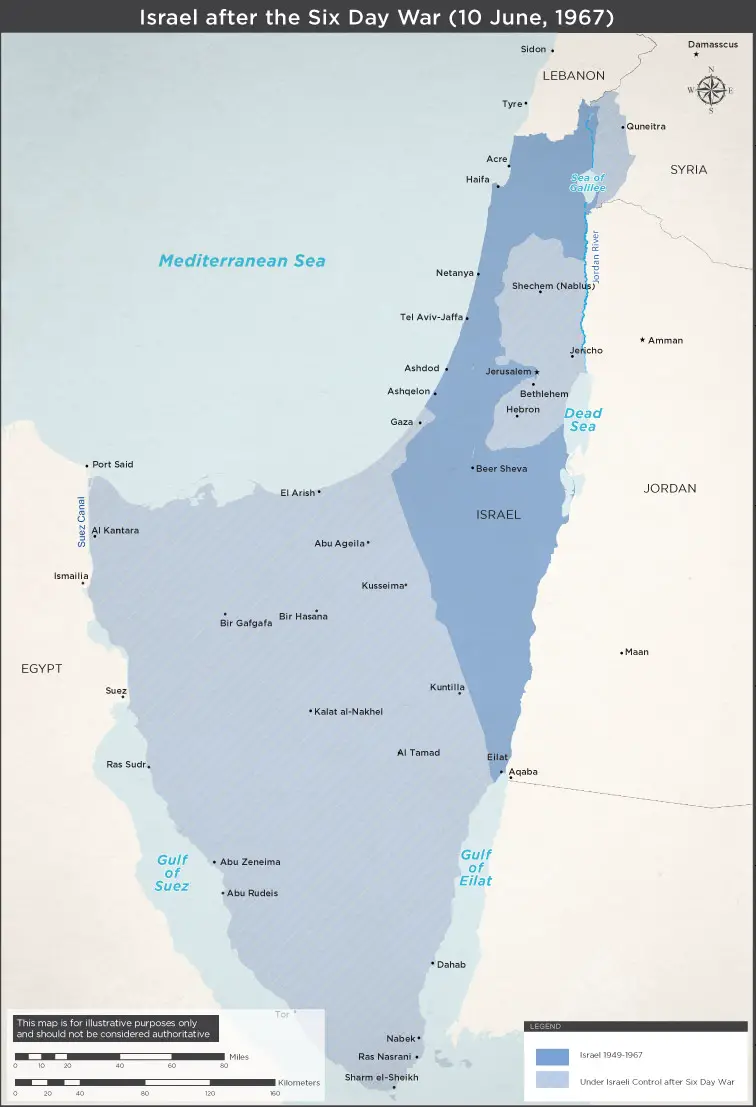
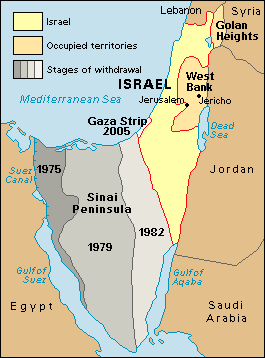
By 1967, the stage was set for another seismic shift. In just six days, Israel crushed the armies of Egypt, Syria, and Jordan, seizing the West Bank, Gaza Strip, East Jerusalem, Sinai Peninsula, and the Golan Heights. Suddenly, Israel had control over territories with large Palestinian populations, and the emotional core of the conflict changed. Palestinians, who had dreamed of a homeland, were now living under Israeli occupation in Gaza and the West Bank.
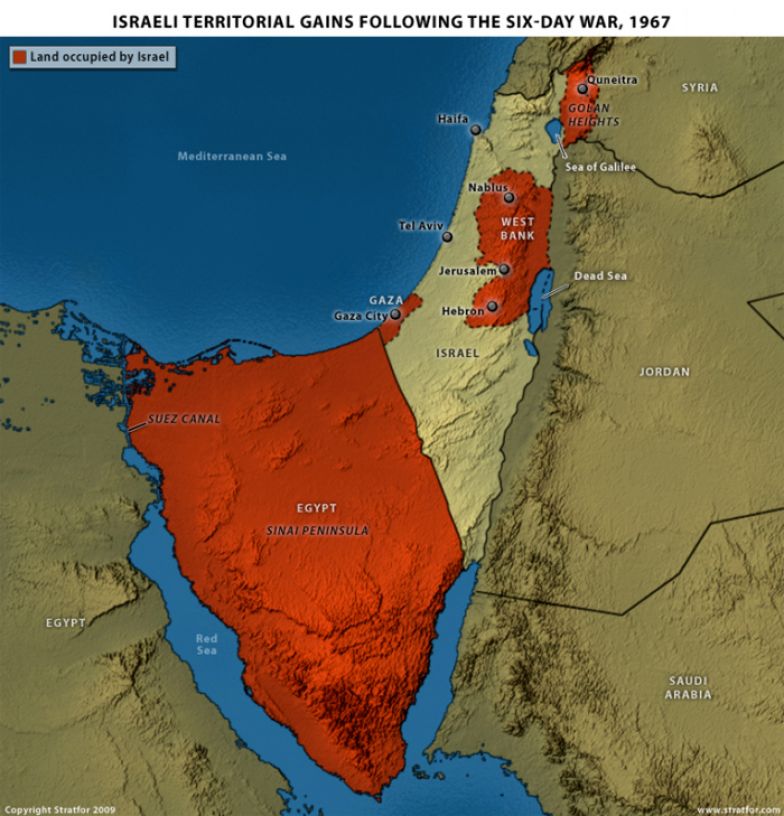
This wasn’t just about territory anymore; it was about identity, freedom, and survival. The world watched as UN resolutions called for Israel’s withdrawal from occupied territories, but politics, pride, and fear stood in the way. For Israel, holding the land was about security; for Palestinians, it was about reclaiming home.
Oslo Accords: A Flicker of Hope, a Heartbreaking Collapse (1990s)
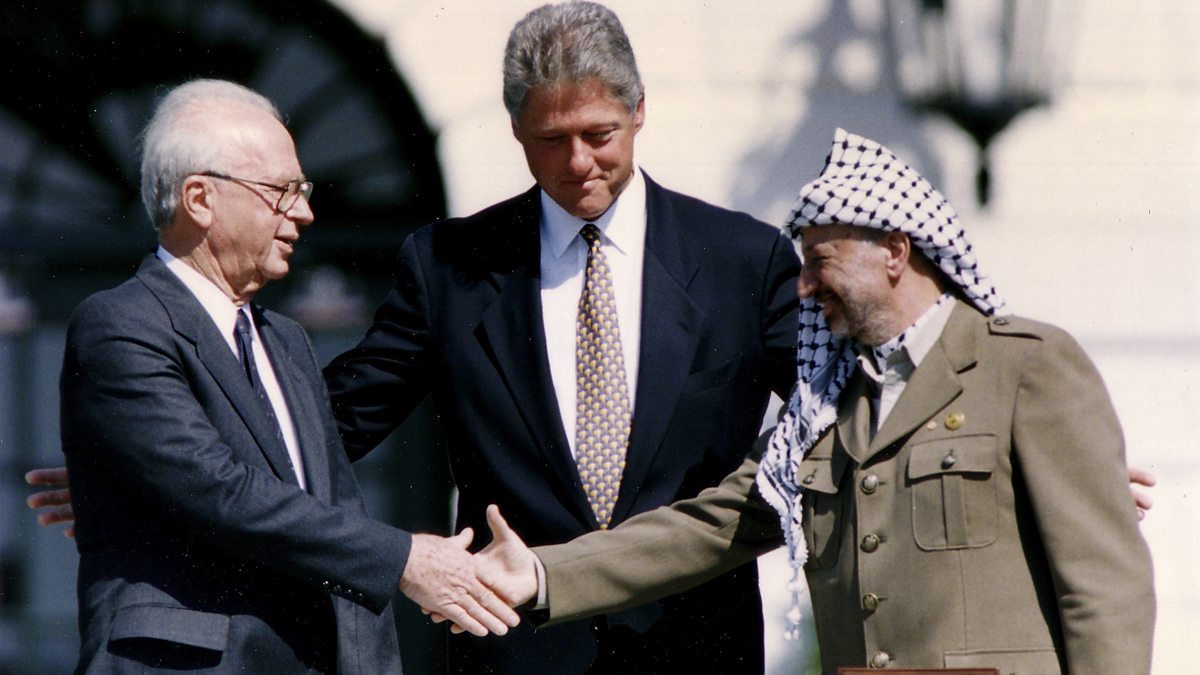
Decades passed, blood was shed, and mistrust festered. Then came the 1990s and the Oslo Accords. For the first time, Israel and the Palestinian Liberation Organization (PLO) recognized each other, envisioning a two-state solution and peace. It was a hopeful moment, as leaders like Israeli Prime Minister Yitzhak Rabin and Palestinian Chairman Yasser Arafat shook hands on the White House lawn.
But this optimism was short-lived. The assassination of Rabin in 1995 by a Jewish extremist, continued settlement expansions in the West Bank, and violent reprisals meant that peace was slipping away. The dream of two states started to look like just that—a dream.
The Second Intifada: An Uprising of Anguish and Defiance (2000-2005)
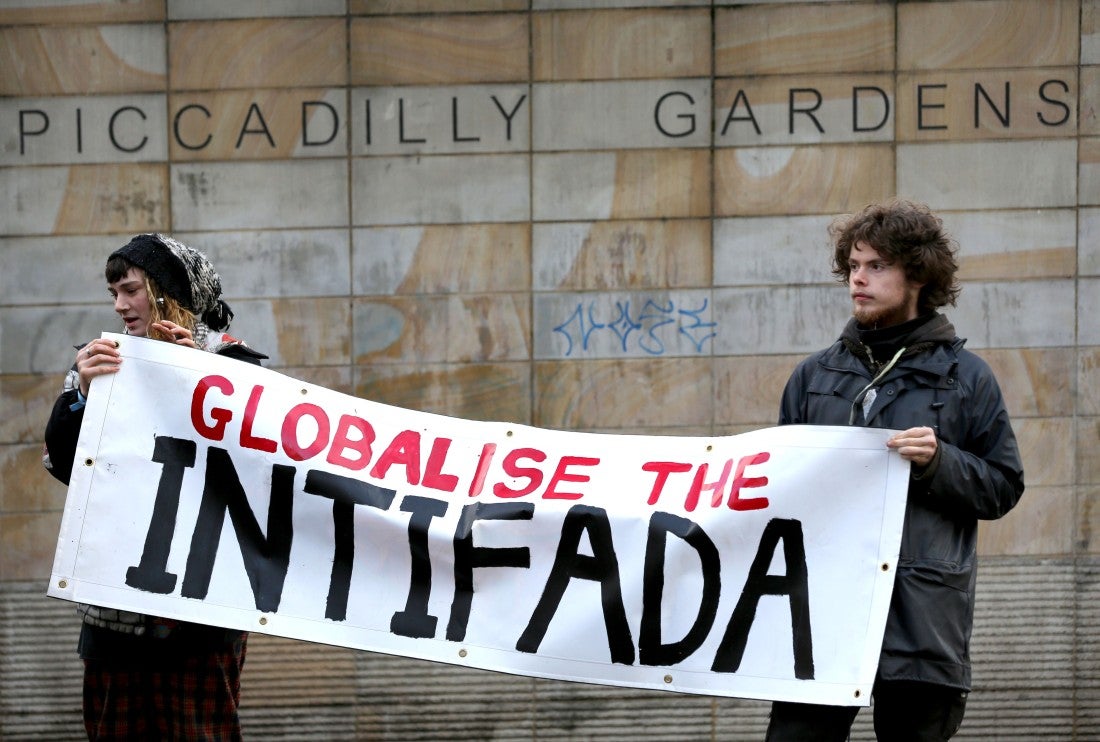
As the peace process faltered, frustration boiled over, giving rise to the Second Intifada, a brutal Palestinian uprising marked by suicide bombings, Israeli military incursions, and widespread devastation. Israel responded with force, erecting a massive wall around the West Bank and tightening its hold. Palestinian neighborhoods were transformed into battlegrounds; checkpoints choked off daily life, and entire generations grew up knowing only conflict.
In 2005, Israel unilaterally withdrew from Gaza, a step that was both symbolic and strategic. But instead of easing tensions, Gaza soon fell under the control of Hamas, a militant group opposed to Israel’s existence, pushing any hope of peaceful coexistence even further away.
Gaza Under Siege: The Never-Ending Blockade and the 2021 Conflict
Gaza today is a place where electricity is sporadic, clean water scarce, and hope even scarcer. Since 2007, Israel and Egypt have maintained a blockade, citing security concerns with Hamas. To Hamas, Gaza is ground zero for resistance; to Israel, it’s a launching pad for rockets.
In May 2021, violence erupted again. Tensions in East Jerusalem’s Sheikh Jarrah neighborhood, where Palestinian families faced eviction, sparked outrage. Hamas fired rockets, Israel responded with airstrikes, and the world watched in horror. Over 250 Palestinians and 13 Israelis lost their lives. The scenes were agonizing: buildings flattened, children lost in the rubble, families fleeing with nothing but the clothes on their backs. The conflict was like an old wound ripped open, a fresh reminder that this fight is far from over.
Global Stakes and Shifting Alliances
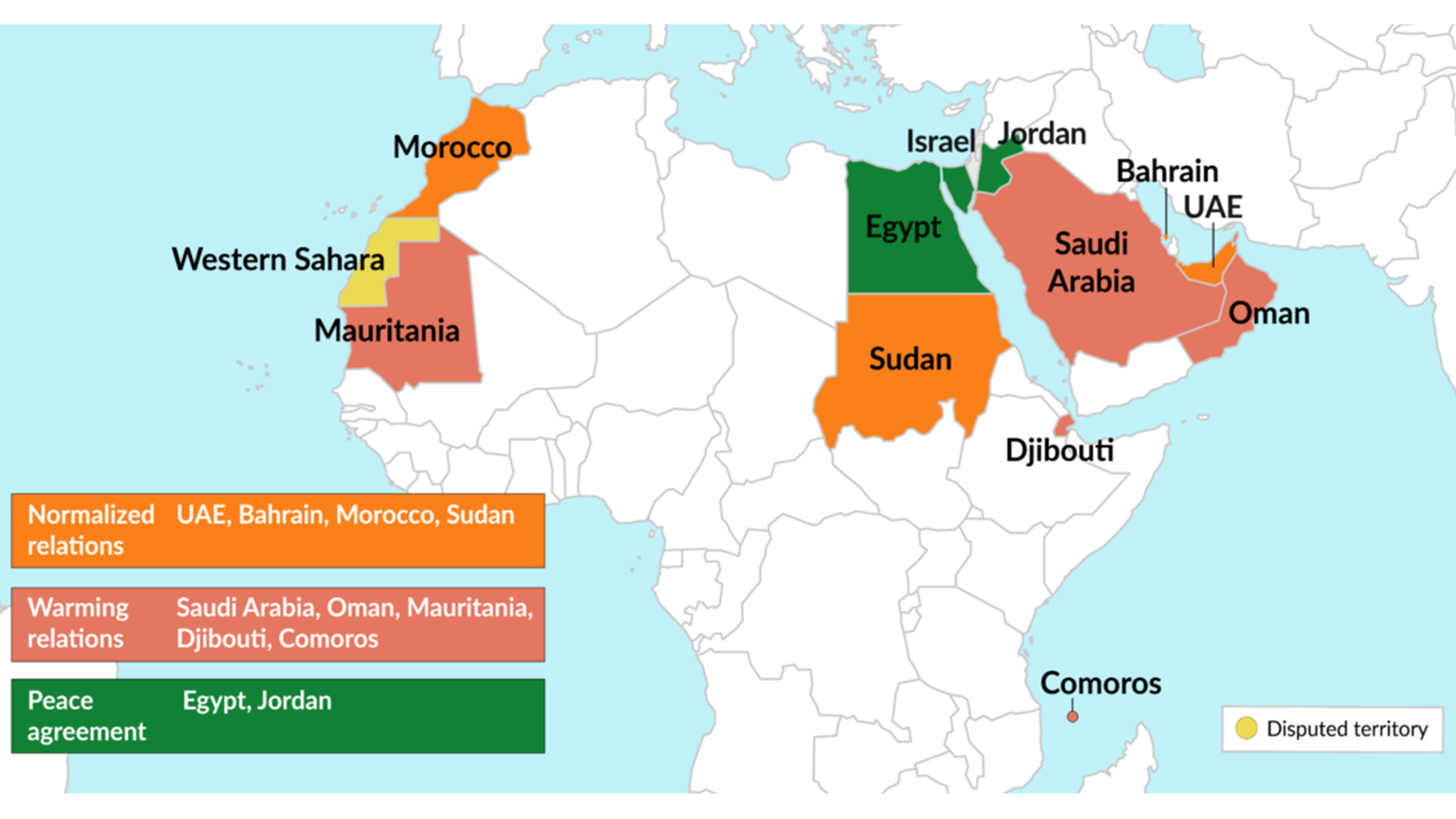
The Israel-Palestine conflict may be concentrated in a tiny sliver of the Middle East, but its shockwaves are felt worldwide. For decades, the United States has been Israel’s staunch ally, funneling billions in military aid. Meanwhile, many Arab nations publicly supported Palestinians while some—like Egypt and Jordan—signed peace treaties with Israel. In recent years, new alliances have emerged, particularly with the U.S.-brokered Abraham Accords, normalizing relations between Israel and several Arab states. But the elephant in the room remains: the Palestinian question.
Iran, an unrelenting critic of Israel, supports factions like Hamas and Hezbollah, leveraging the conflict to counterbalance Israeli and U.S. influence in the region. Europe has tried to act as a mediator, but its influence often falls short against the hardened stances of the principal players. The conflict is no longer just about borders; it’s a proxy for regional power struggles, a testing ground for weapons, and a pawn in international politics.
Today’s Landscape: Living with Uncertainty
For those living in Israel and Palestine, the conflict is inescapable. Israelis contend with the constant fear of rockets and the ethical burden of an unending occupation. Palestinians, split between the West Bank and a Gaza they can hardly leave, face a future clouded by checkpoints, poverty, and despair. Every few years, talks of a “new peace process” make headlines, yet the promise of a lasting solution remains heartbreakingly elusive.
What would it take to break this cycle? For some, a two-state solution is the only answer. For others, including younger activists disillusioned with their leaders, the focus is on human rights, freedom, and an end to the occupation. But as each generation comes of age in a landscape of walls, blockades, and airstrikes, the path forward grows harder to see.
Conclusion: A Conflict Without End?
The Israel-Palestine conflict remains one of the world’s most tragic deadlocks. Its roots run deep, its wounds raw, its emotions electric. As nations normalize relations and alliances shift, the core issues remain unsolved, haunting the region like a specter.
This is a conflict woven into every checkpoint, every demolished home, every child growing up amid air raid sirens and shattered dreams. And yet, even in the bleakest corners of Gaza and the crowded streets of Jerusalem, some dare to hope. They dream of a day when borders might become irrelevant, and freedom will feel as natural as breathing. But for now, that dream feels as distant as ever in a land that refuses to forget.
 Apocalypse Now Threedux: World War Thr33
Leave a comment